
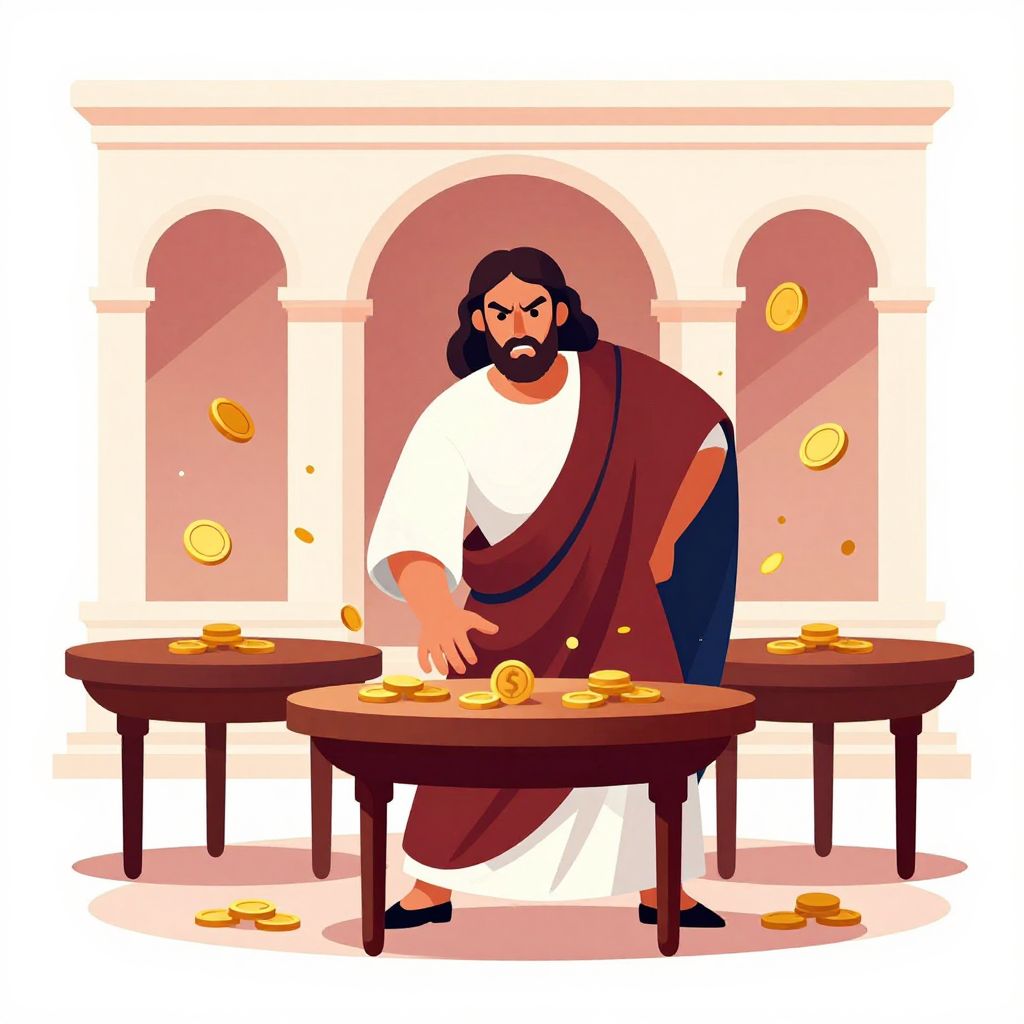
Have you ever felt anger toward injustice in your life? Maybe you’ve watched the news and wondered how God can allow certain things to happen. In that moment, you’re not alone. Jesus experienced profound anger, evidenced by a specific event in Scripture: when He flipped tables in the temple.
This article explores why Jesus acted so boldly, grounding our understanding in Scripture and what it means for our faith today. His actions were not merely a display of frustration; they were deeply intentional, highlighting God’s desire for reverence and relationship over ritual.
Why Did Jesus Flip Tables?
Jesus flipped tables to challenge the corruption and commercialism occurring in the temple. His actions were a prophetic and passionate response to the desecration of a sacred space meant for worship. This act was about restoring God’s purpose for the temple as a house of prayer for all nations.
The Context of the Temple
The temple in Jerusalem represented the heart of Jewish worship. Pilgrims came from afar to celebrate significant feasts, spending time in prayer and reflection. However, by Jesus’ time, the temple had transformed into a marketplace.
Money changers and merchants crowded the outer courts selling animals for sacrifice. This commercialism overshadowed genuine worship. The temple complex, designed to be a holy place, turned into a bustling bazaar.
Jesus’ Passion for the Holy
Jesus’ action of flipping the tables was a passionate defense of holiness. He quoted Isaiah 56:7, stating, “My house will be called a house of prayer for all nations.” Jesus demonstrated that God’s intentions were universal and inclusive, yet the practices of the temple leaders limited access and corrupted true worship.
How intentional are we about maintaining the holiness in our lives? Are our personal temples—the places we dwell spiritually—free from distractions?
A Prophetic Significance
Jesus’ flipping of the tables served as a prophetic statement about cleansing and realignment. His anger mirrored God’s desire to purify worship and restore it to its intended focus. This radical action foreshadowed more significant events that would unfold in Jesus’ ministry.
His cleansing of the temple was symbolic of His mission to cleanse hearts, not just spaces. When Jesus took dramatic action, He pointed to a deeper truth about human nature.
The Character of God in Jesus’ Actions
Jesus’ actions offer a powerful glimpse into God’s character. They reveal His desire for a genuine relationship over empty rituals. God is passionate about purity, integrity, and authenticity.
God’s Displeasure with Hypocrisy
Jesus’ anger reflected God’s displeasure with hypocrisy. In Matthew 23:27-28, Jesus says, “Woe to you, teachers of the law and Pharisees, you hypocrites! You are like whitewashed tombs, which look beautiful on the outside but on the inside are full of the bones of the dead and everything unclean.”
This stark imagery illustrates how God values the heart condition over mere appearances. Are there areas in life where you’ve been performing rather than truly engaging with God?
Righteous Anger vs. Sinful Anger
Not all anger is sinful. Righteous anger, as seen in Jesus, is rooted in love and a desire for justice. Ephesians 4:26 encourages believers to “in your anger do not sin.” Such an approach maintains integrity while addressing wrongs.
How do you discern between righteous anger and frustration? It’s vital to consider motivation and desired outcomes. Are you aiming for restoration or chaos?
The Call to Holiness
Jesus’ act of flipping tables prompts believers to reflect on their own hearts and practices. This call to holiness challenges Christians to examine what is cluttering their worship. In 1 Peter 1:16, God instructs, “Be holy, because I am holy.”
This command is not a burden, but an invitation to a deeper relationship with God. Are you setting time aside for prayer and genuine worship?
Learning from the Table-Flipping Event
Engaging in this story offers key lessons for Christian living. Jesus’ actions were not just a moment of frustration; they were filled with intention and purpose.
Embrace Passionate Worship
Worship should be a passionate and engaging exchange with God. Focusing on genuine connection rather than routine fosters growth in faith. Jesus illustrates the importance of setting aside distractions for holiness.
Do you approach worship with your whole heart? Consider committing to eliminate distractions during your time with God.
Confronting Injustice
Jesus did not shy away from confronting issues. His table-flipping moment calls Christians to discern areas of injustice and corruption in their communities. God calls His followers to reflect His heart for justice.
What injustices stir your spirit? How can you be part of the solution?
Valuing God’s House
The temple represented God’s presence among His people. Today, believers are called the temple of the Holy Spirit (1 Corinthians 6:19). Maintaining this sacred space requires intentionality.
What activities or mindsets detract from the holiness of your spiritual life? We ought to cultivate a heart for reverence.
Practical Steps for a Pure Heart
Taking lessons from Jesus’ actions into everyday life involves practical applications. Here are steps to cultivate a more sacred relationship with God.
- Set aside time for prayer: Prioritize intentional communication with God, free from interruptions.
- Examine your heart: Regularly assess your spiritual health. Are you allowing distractions to infiltrate your worship?
- Engage in community: Surround yourself with fellow believers who challenge and encourage your faith walk.
- Speak out against injustice: Identify issues that matter to you and seek ways to advocate for change.
- Repent of hypocrisy: If there are areas of your life where you’re living out of sync with God’s desires, confess and seek restoration.
The Transformative Power of Jesus’ Actions
Jesus flipped tables, revealing His heart posture toward worship and authenticity. This moment was not just an expression of anger; it was a profound display of love for God’s people and a reminder of His standards.
Inviting Transformation
Every believer can find healing and freedom through Jesus. The act of flipping tables invites us to reflect on areas needing transformation. God loves each person deeply and desires to bring them into alignment with His will.
Are you willing to invite Him into the messy areas of your life for the sake of redemption?
The Role of the Holy Spirit
The Holy Spirit plays an essential role in guiding believers toward holiness. In John 14:26, Jesus promises the Spirit will teach and remind us of His truth. Inviting the Spirit into daily life enables growth and understanding.
How attentive are you to the leading of the Holy Spirit in your daily decisions?
Conclusion: Reflecting on Jesus’ Bold Action
Jesus’ table-flipping moment challenges every believer to explore their worship and response to God’s holiness. It prompts a necessary self-examination of priorities and motivations.
May you respond to Jesus’ call for authenticity and purity in worship. Strive to honor His presence in every moment. Consider using this time for prayer: “Lord, reveal any areas where I need to flip the tables in my own life to make room for Your sacred presence.”
Explore more faith-based topics and articles to deepen your spiritual journey. For instance, discover ways to incorporate prayer in your daily life, or learn how to foster fellowship within your community. Equip yourself further by understanding biblical truths that guide your path.