
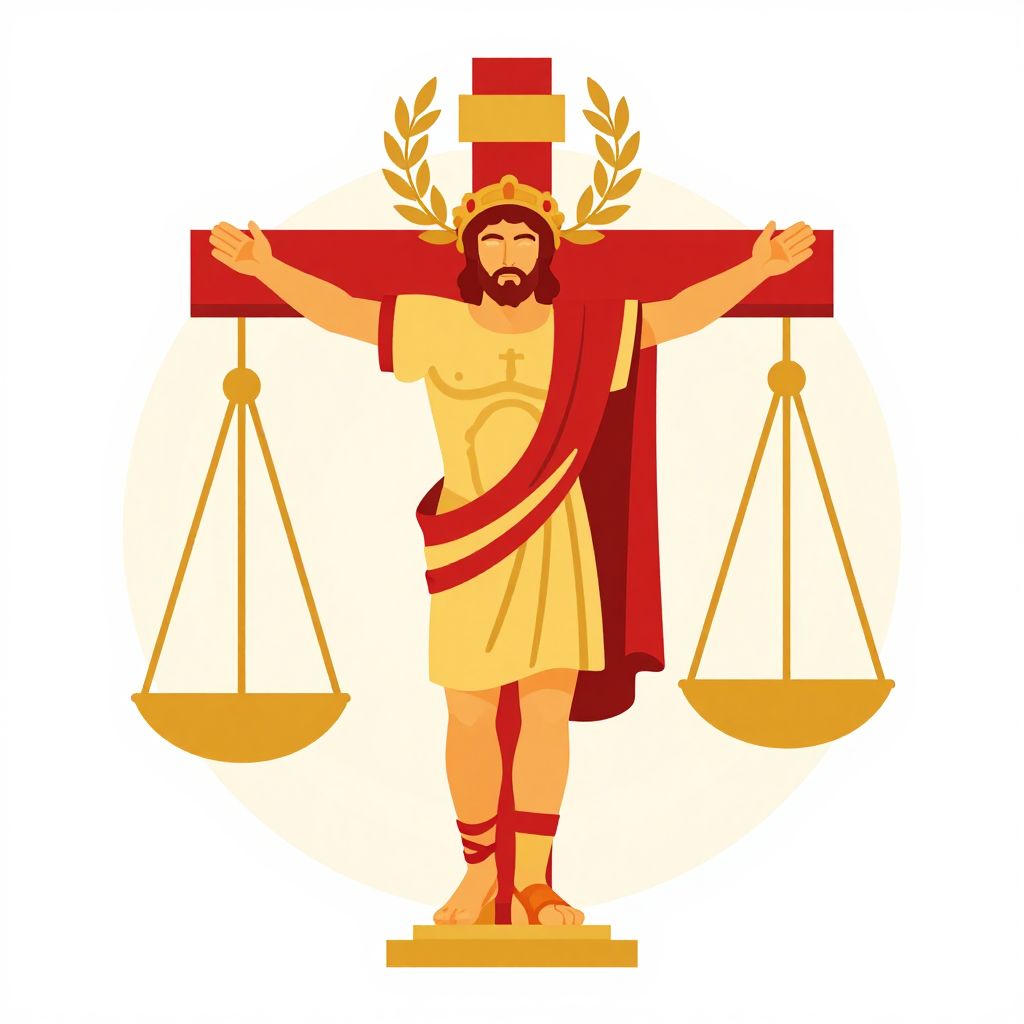
Have you ever considered the historical context behind the crucifixion of Jesus? Grasping the political landscape of the time can enrich your understanding of the biblical narrative. This article will focus on the Roman emperor during Jesus’ crucifixion and highlight why this knowledge serves as a foundation for understanding God’s redemptive plan through Christ.
The emperor who ruled Rome at the time of Jesus’ crucifixion was Tiberius Caesar. His reign marks a significant period in Roman history and directly influences the backdrop of the New Testament. When we explore Scripture in light of this historical figure, we deepen our appreciation for God’s sovereignty throughout human history.
Who Was The Emperor Of Rome When Jesus Was Crucified?
The emperor of Rome when Jesus was crucified was Tiberius Caesar. He ruled from 14 A.D. until his death in 37 A.D., and his reign was characterized by political instability and a growing disconnect from the people of Rome. Understanding Tiberius’ character and policies can give us insight into the climate that led to Jesus’ crucifixion.
Tiberius Caesar’s Background
Tiberius was the stepson of Augustus, the first Roman emperor. He took power after Augustus’ death, inheriting a vast empire. Initially, Tiberius showed promise, accomplishing military victories and expanding the boundaries of the empire.
However, his later years were marked by paranoia and accusations of treason. His autocratic style of governance and decline in popularity created a culture of fear. This context is critical for understanding the tension surrounding Jesus’ trial, as political and religious leaders sought to maintain control.
The Political Atmosphere of the Time
Tiberius maintained order through intimidation and a far-reaching informant network. This atmosphere of fear influenced how political leaders operated, including figures like Pilate, the Roman governor who sentenced Jesus. People were wary of dissent that could endanger their positions.
The Gospel of Matthew states, “Pilate knew it was out of self-interest that they had handed Jesus over to him” (Matthew 27:18, NIV). This verse points out that Pilate recognized the underlying motives of the religious leaders, who feared losing their influence under the Roman regime.
The Interplay of Power and Faith
This period reveals a dynamic collision of both political and religious power. Tiberius’ reign showcased how earthly rulers often represent a distortion of God’s authority. The oppressive governance of Tiberius parallels the spiritual bondage that many felt—a necessity for a Savior.
Jesus came not only to save humanity from sin but to confront the corrupt systems of power, both political and religious. Have you ever felt trapped by systems beyond your control? Jesus enters those spaces, offering hope and redemption, challenging those in power toward accountability.
Jesus and Tiberius: A Stark Contrast
While Tiberius ruled through fear and force, Jesus represented love and grace. Tiberius’ oppressive tactics fueled hostility toward both civilians and dissenters. In contrast, Jesus consistently advocated for the marginalized, showing compassion to the oppressed.
This contrast emphasizes God’s design for leadership. Paul writes in Galatians 5:13, “You, my brothers and sisters, were called to be free. But do not use your freedom to indulge the flesh; rather, serve one another humbly in love.” In understanding the oppressive reign of Tiberius, we appreciate the freedom that Christ offers and the call for believers to lead through servanthood.
The Trial and Crucifixion of Jesus
The trial of Jesus provides a critical juncture in the narrative of His earthly ministry. These events occurred against the backdrop of Tiberius’ rule, emphasizing the charged atmosphere that surrounded the Son of God.
Before His crucifixion, Jesus faced several trials, beginning with the Jewish Sanhedrin, followed by Pilate, and Herod Antipas. Each trial reflected the ongoing struggle for power and control between the Jewish leaders and the Roman government. Ironically, Jesus, the true King, was tried by earthly rulers whose authority was fleeting.
Pilate’s Reluctance
Pilate’s interactions with Jesus reflect his inner conflict. Despite recognizing Jesus’ innocence, he ultimately submitted to the demands of the crowd. Matthew 27:24 illustrates Pilate’s struggle: “When Pilate saw that he was getting nowhere, but that instead an uproar was starting, he took water and washed his hands in front of the crowd.”
In this moment, we see how political pressure can lead to moral compromise. Reflection on Pilate’s actions invites believers to assess our choices: do we stand for truth when faced with opposition? Jesus’ example shows us that fidelity to God’s call often comes with personal cost.
The Significance of Tiberius in Redemption History
Tiberius’ reign is more than just a mere backdrop; it plays a vital role in God’s unfolding plan of salvation. The tension in Jesus’ trial and crucifixion illustrates the conflict between earthly kingdoms and the Kingdom of God. Jesus came to confront this brokenness directly.
In John 18:36 (NIV), Jesus states, “My kingdom is not of this world.” This proclamation reshapes our understanding of authority. Believers are called to live out God’s Kingdom values while being aware of the earthly systems in which they operate.
The Resurrection: A Turning Point
The resolution of the crucifixion leads us to the resurrection—proof that God triumphs over earthly powers, including those represented by Tiberius. What does the resurrection mean for Christians today? It signifies hope and victory, even amid life’s darkest seasons.
When Jesus overcame the grave, He disarmed the powers at play. Colossians 2:15 reminds us, “Having disarmed the powers and authorities, he made a public spectacle of them, triumphing over them by the cross.” This powerful truth invites believers to live boldly in their faith, knowing that Jesus has secured victory.
The Call to Action: Living in Light of History
Understanding who ruled during Jesus’ crucifixion deepens our faith and informs our actions today. As believers, our call extends beyond mere knowledge; we must translate this understanding into how we live.
- Recognize God’s Sovereignty: Trust that God governs history and your life even in political turmoil.
- Respond with Love: Follow Jesus’ example by serving those around you despite opposition.
- Stand for Truth: Just as Jesus modeled, dare to advocate for justice, love, and righteousness in today’s world.
- Share Hope: Proclaim the victory found in the resurrection and invite others into this life-changing truth.
Implications for 21st-Century Believers
The resonances of Tiberius’ time are evident in our current political climate. Issues surface daily that echo the struggles of Jesus’ era. The call for Christians today remains unchanged: to exhibit Christ-like character regardless of external pressures.
How can you embody Christ’s principles amid current cultural challenges? Actively engaging in your faith through service and advocacy positions you as a light in a world that grapples with moral confronting.
Final Reflection: The State of Our Hearts
How does the knowledge of Tiberius’ reign impact your understanding of Jesus’ sacrifice? Reflecting on this question brings us to a place of gratitude for God’s intricate design in human history.
We must not lose sight of the fact that Jesus faced the ultimate sacrifice while governing powers were clouded by ambition and malice. Yet, His coming ushered in a new Kingdom, one defined by love, grace, and redemption.
As you ponder the events surrounding Jesus’ crucifixion, allow His love to transform your heart. Step into the fullness of your faith, actively participating in the life He calls you to, engaged with the world around you. Following Jesus means embracing the call to reflect His light in dark places, just as He did before the Roman powers.
For a deeper exploration of faith, consider topics like finding peace in challenging times, Jesus heals the brokenhearted, and the importance of prayer. Each of these articles can help enrich your spiritual journey.