
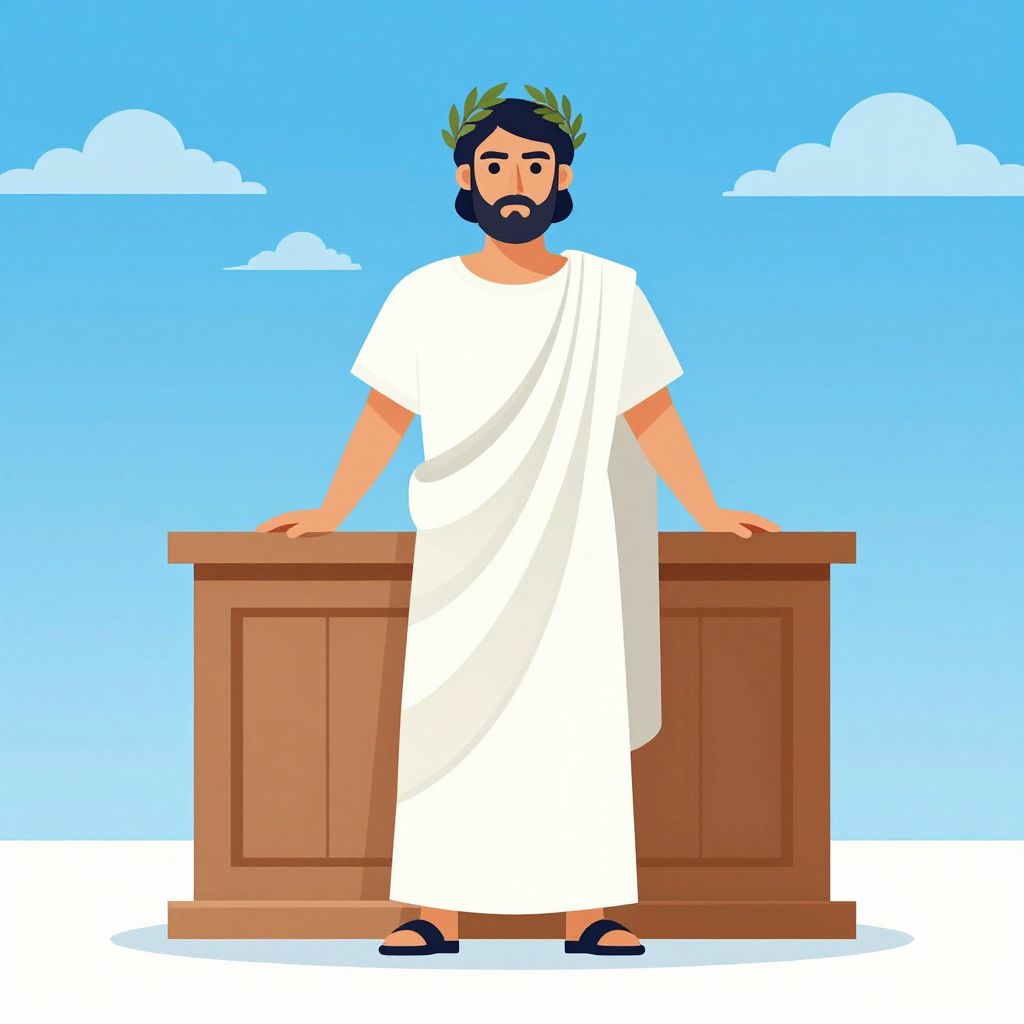
Have you ever felt overwhelmed by the complexity of faith struggles in a tumultuous world? Many believers grapple with challenging figures from Scripture, like Pontius Pilate, whose actions led to monumental consequences. Understanding Pilate sheds light on the intricate interplay of justice, truth, and responsibility.
This article explores who Pilate is in the Bible, his role in the trial of Jesus, and what his story teaches us about faith and moral courage. By examining his choices and actions, we uncover profound truths that resonate deeply in our Christian walk.
Who Is Pilate In The Bible?
Pilate, a Roman governor of Judea, is best known for presiding over the trial of Jesus. He is depicted in all four Gospels as the figure who reluctantly sentenced Jesus to crucifixion despite finding no fault in Him (Matthew 27:24). His vacillation between duty and integrity serves as a significant lesson in grappling with moral dilemmas.
Historical Context of Pilate
Understanding Pilate requires examining the historical landscape of first-century Judea. He served as governor from AD 26 to 36, representing Roman authority in a region fraught with tension. His rule coincided with rising unrest among Jewish populations yearning for independence.
Pilate’s background as a Roman aristocrat influenced his governance. He had to navigate the delicate balance of maintaining order while addressing the cultural and religious sensitivities of the Jewish people. His decisions often reflected his priorities, revealing a lack of respect for Jewish customs.
Pilate in the Gospels
The Gospels provide a vivid portrayal of Pilate’s character and decisions. In the Gospel of Matthew, Pilate’s hesitation emphasizes his internal conflict. He early on recognizes Jesus’ innocence (Matthew 27:18) but ultimately yields to public pressure.
In the Gospel of Mark, Pilate directly questions Jesus, seeking clarity about His identity as the King of the Jews (Mark 15:2). Pilate’s failure to act justly reveals how truth can be obscured by political ambition.
Luke’s Gospel further illustrates Pilate’s attempt to avoid responsibility, as he sends Jesus to Herod in a bid to evade making a decision about His fate (Luke 23:7). This shift reflects a common human tendency to pass the buck rather than confront uncomfortable truths.
The Gospel of John highlights Pilate’s struggle with the concept of truth itself. In a poignant moment, he asks Jesus, “What is truth?” (John 18:38), echoing the struggles many face in discerning right from wrong. Pilate’s philosophical questions indicate more than a mere inquiry; they signal a deep inner turmoil.
The Trial of Jesus: Pilate’s Role and Decisions
The trial of Jesus before Pilate marks a pivotal moment in Scripture. Understanding Pilate’s choices reveals much about human nature and how fear can cloud decision-making. The scene unfolds with intense public pressure fueling Pilate’s actions.
The Accusations Against Jesus
The Jewish leaders brought Jesus to Pilate, accusing Him of blasphemy and claiming to be a king (John 19:7). They knew these charges could incite fear in the Roman governor, as any challenger to Caesar could be seen as a threat to Roman authority.
Pilate listened to the accusations, seeking to grasp the essence of the claims against Jesus. Unlike Herod, who mocked Jesus, Pilate stepped cautiously, recognizing Jesus’ innocence. However, he knew that inaction might incite further unrest among the people.
Public Pressure and Moral Compromise
Pilate’s decision-making process reveals how external pressures can lead to moral compromise. The crowds demanded Jesus’ crucifixion, calling for the release of Barabbas instead (Mark 15:7-15). Facing the threat of riot and unrest, Pilate succumbed to the pressure, though his soul wrestled with its implications.
How often do we find ourselves swayed by public opinion? Pilate’s example serves as a cautionary tale about prioritizing societal approval over immutable truths. He demonstrated how fear can lead to compromise, leaving many to ponder whether truth will stand in opposition to popular sentiment.
Pilate’s Washing of Hands
Pilate famously washes his hands before the crowd, declaring, “I am innocent of this man’s blood” (Matthew 27:24). This symbolic act attempts to absolve himself of guilt for Jesus’ execution. However, it raises a critical spiritual question: can we truly wash our hands of wrongdoing?
This moment encapsulates a human desire to escape accountability, illustrating that true innocence requires more than symbolic gestures; it demands active righteousness. Pilate’s actions emphasize a truth Christians must confront: we are called to live in alignment with God’s principles rather than seeking to evade moral responsibility.
Spiritual Lessons from Pilate’s Life
Examining Pilate’s life provides critical reflections applicable to our faith journey. His story is rich in spiritual lessons that resonate with the challenges believers face today.
The Danger of Inaction
Pilate’s indecisiveness serves as a reminder that inaction in the face of truth can have grave consequences. He chose to remain neutral rather than standing firm for justice. What areas of your life require decisive action today?
Those moments when we remain silent or complacent can contribute to greater injustices. The challenge is to take a stand for the right, even when it contradicts popular opinion.
The Search for Truth
Pilate’s philosophical questioning of truth invites us to consider our relationship with God. When he asks, “What is truth?” he embodies the struggle of countless individuals seeking genuine answers in a world rife with confusion.
As believers, we must seek truth through God’s Word, allowing the Holy Spirit to guide us. Engaging with Scripture provides clarity into our identity as children of God and His expectations for living in holiness.
The Consequences of Compromise
Pilate’s willingness to compromise for political comfort led him down a path of moral failure. He traded the truth for fear, resulting in the crucifixion of an innocent man.
Today, Christians must be vigilant in upholding their convictions, defending truth even when it may conflict with social pressures. What convictions are you compromised on? It’s essential to reflect on where you might sacrifice faith for fleeting approval.
Pilate’s Posthumous Legacy
Pilate’s legacy transcends his actions in the Gospels. Church tradition often depicts him as a tragic figure, a man who understood the truth yet chose comfort over integrity. This portrayal leads to various interpretations of his eternal fate, making him a subject of both fascination and reflection.
The Quest for Redemption
According to some historical sources, Pilate eventually faced grave consequences for his actions. The early church presented him in different lights, portraying him either as a tragic character or a villain of fate. Regardless of his end, Pilate’s role begs questions about humanity’s universal quest for redemption.
Can those who falter find forgiveness? As Christians, we firmly believe that God extends grace to all who repent. Jesus’ sacrifice redeems even the most egregious acts if one surrenders to Him.
A Reflection on Personal Choices
Pilate’s story urges individuals to consider their legacy. What will your decisions say about you in eternity? The complexity of his character reminds us that our choices matter significantly. We may never face a trial like Pilate’s, but we do confront daily moments demanding our moral surety and commitment.
Conclusion: Pilate’s Lesson for Today
Pilate’s narrative in the Bible contains profound lessons about courage, truth, and the weight of our choices. He illustrates how fear can cloud judgment and cautions against the danger of inaction and compromise.
Ultimately, choose to stand for truth. Let the life of Pilate motivate meaningful actions and accountability within your personal faith journey. May we forever seek God’s wisdom in our decisions, understanding the weight they carry.
Explore more faith-based topics and articles to deepen your relationship with God. Check out 1 Year Bible Reading for inspiration and what happened to Jezebel for insights into other biblical figures.