
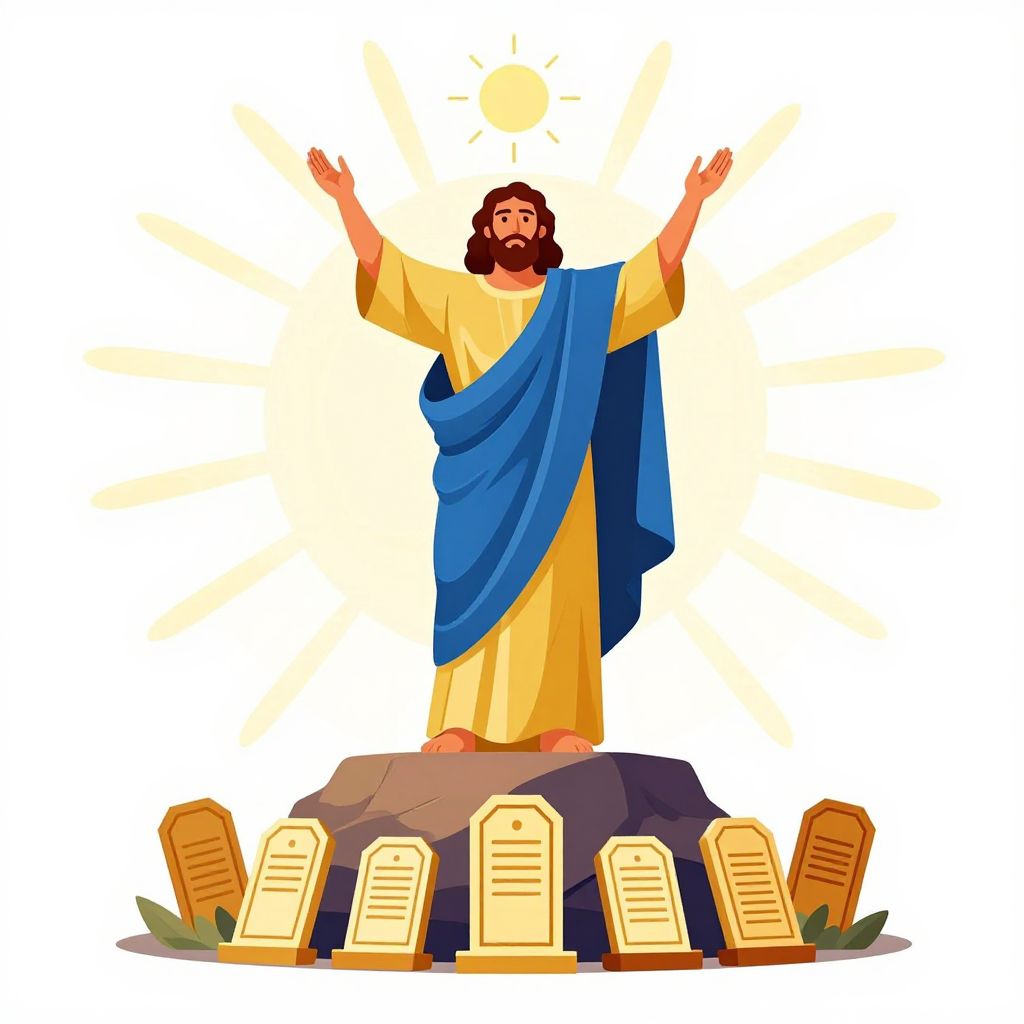
Have you ever felt overwhelmed by the struggles of life, longing for a leader to guide you through? The story of Moses, a prominent biblical figure, speaks to that yearning for guidance, deliverance, and divine purpose. Understanding who Moses is in the Bible can illuminate your spiritual journey and deepen your faith.
Moses stands as one of the most significant characters in Scripture. His narrative not only reveals the heart of God but also showcases how one person’s obedience can lead to the liberation of a nation and the establishment of a lasting covenant.
Who Is Moses In The Bible?
Moses is a pivotal figure in the Bible, known for leading the Israelites out of slavery in Egypt, receiving the Ten Commandments, and writing the first five books of the Bible, known as the Pentateuch. His life story symbolizes the struggle for freedom and the importance of faithfulness to God.
Early Life and Challenges
Moses was born during a time when the Hebrew people were enslaved in Egypt. Pharaoh, fearing their growing numbers, ordered all Hebrew baby boys to be killed. Moses’ mother, Jochebed, placed him in a basket and set it afloat in the Nile River to save him (Exodus 2:1-3).
God’s providence guided this basket to Pharaoh’s daughter, who adopted Moses as her own son. He grew up in the royal court, experiencing luxury while his people suffered. How often do we find ourselves in situations that seem disconnected from our true purpose?
Moses’ Escape and Calling
As an adult, Moses witnessed an Egyptian beating a Hebrew slave. In a fit of rage, he killed the Egyptian and fled to Midian (Exodus 2:11-15). There, he encountered God in the form of a burning bush. God called him to return to Egypt and lead His people to freedom (Exodus 3:1-10).
Imagine receiving such an immense calling! Moses felt unqualified and doubted his abilities, saying, “Who am I that I should go to Pharaoh?” (Exodus 3:11). God reassured him, saying, “I will be with you” (Exodus 3:12). This echoes the promise and reassurance we all need in moments of doubt.
The Ten Plagues and Exodus
Moses returned to Egypt armed with God’s authority, demanding Pharaoh let the Israelites go. When Pharaoh refused, God sent ten plagues to demonstrate His power: turning the Nile to blood, plagues of frogs, gnats, flies, livestock disease, boils, hail, locusts, darkness, and finally, the death of the firstborn (Exodus 7-12).
These plagues exhibited not just God’s judgment on Egypt but revealed His desire to liberate His people. Do we, like Pharaoh, at times harden our hearts against God’s call for change?
After the plagues, Pharaoh finally let the Israelites go. They left in haste, and Moses led them out of Egypt, crossing the Red Sea (Exodus 14). This miraculous event symbolized not only physical escape but spiritual liberation from sin and oppression.
Receiving the Law at Sinai
After their escape, Moses led the Israelites to Mount Sinai, where he met with God to receive the Ten Commandments (Exodus 19-20). These commandments became the moral foundation for the Israelites and for us today, outlining how to live in relationship with God and with each other.
In this encounter, Moses experienced God’s holiness. It wasn’t just about rules, but about a covenant relationship with a faithful God. How might your life change if you viewed God’s laws as protective rather than restrictive?
Leadership and Challenges
Moses faced numerous challenges as a leader, including constant rebellion from the Israelites. The people often complained about their circumstances, longing for the comforts of Egypt rather than trusting God’s provision in the wilderness (Exodus 16-17).
Despite their complaints, God provided for them. He sent manna and quail for food, and water from a rock (Exodus 16-17). Moses learned to intercede for his people, exemplifying the heart of a true leader. Are you willing to stand in the gap for others, praying and advocating for God’s will in their lives?
The Importance of Intercession
Moses often interceded for the Israelites when they sinned, such as after they created the golden calf (Exodus 32). His conversations with God demonstrated the depth of his relationship with the Creator. God’s willingness to listen shows His love for His people.
Every time Moses pleaded for mercy, God listened. In Exodus 32:14, God relented from punishing the people. What a profound truth! Our prayers can move the heart of God, inviting His mercy and grace into difficult situations.
Moses’ Final Moments
After leading the Israelites for forty years, Moses was permitted to see the Promised Land from Mount Nebo but was not allowed to enter it (Deuteronomy 34:1-5). His life concluded not with a grand entry but with a quiet farewell. This moment underscores the reality that faithfulness to God may not always lead to personal success in the way we expect.
Even in his final moments, Moses exemplified obedience. He passed the torch to Joshua, ensuring the continuation of God’s mission. Are you prepared to lead others towards their purpose, even if it means stepping back from the forefront?
The Legacy of Moses
Moses left an indelible mark on the faith of millions. He is respected by Judaism, Christianity, and Islam, illustrating his universal significance. His life teaches us about **leadership**, **obedience**, and **faith** in God’s promises.
In the New Testament, Moses appears multiple times. Jesus refers to the Law of Moses, affirming its importance (Matthew 5:17). The author of Hebrews highlights Moses as a faithful servant (Hebrews 3:5-6), further solidifying his legacy as a model of faithfulness.
Lessons from Moses’ Life
Moses’ life encapsulates key lessons for all Christians today:
- Obedience in Uncertainty: Trust God even when you don’t fully understand the plan.
- Intercession: Pray for others and seek God’s mercy on their behalf.
- Leadership: Be willing to guide others toward God’s promised future.
- Faithfulness: Evaluate your commitment to God, knowing it impacts generations.
Application for Today
Moses’ journey encourages personal reflection. Are there areas in your life where you’re hesitant to follow God’s call? Perhaps it’s a career change, a relationship concern, or being more active in serving others.
Consider the ways God is inviting you into deeper obedience. Reflect on how you can become a spiritual leader in your community. Moses exemplifies human struggle and divine faithfulness—a relatable hero.
Engage with Scripture and ask God to reveal His guidance. Seek opportunities to intercede for those around you, and ask how you can exemplify God’s love and faithfulness.
Final Encouragement
Remember that God can use ordinary people for extraordinary purposes. Just as He called Moses from a burning bush, He calls you too. Your past does not disqualify you from this call; it prepares you to lead others.
As you continue to learn from Moses, embrace his lessons in your life. Lean into God’s presence, trust His timing, and be prepared to answer His call. God blesses obedience, transforming lives through faithful followers.
In your journey, always keep the Bible close. It contains profound truths that guide you. For deeper insights, explore surrounding topics, such as who was Jacob’s father or use resources to read the Bible in a year at 1 Year Bible Reading.