
Have you ever come across a figure in the Bible whose identity sparked curiosity and sparked questions? Melchizedek often leaves readers pondering his significance and role in Scripture. Understanding who Melchizedek is reveals profound truths about Jesus and God’s plan for redemption.
This article will explore Melchizedek’s character, his connection to Jesus, and what his presence teaches us about faith and priesthood. Let’s dig into Scripture and uncover the rich layers of meaning surrounding this enigmatic character.
Who Is Melchizedek In The Bible?
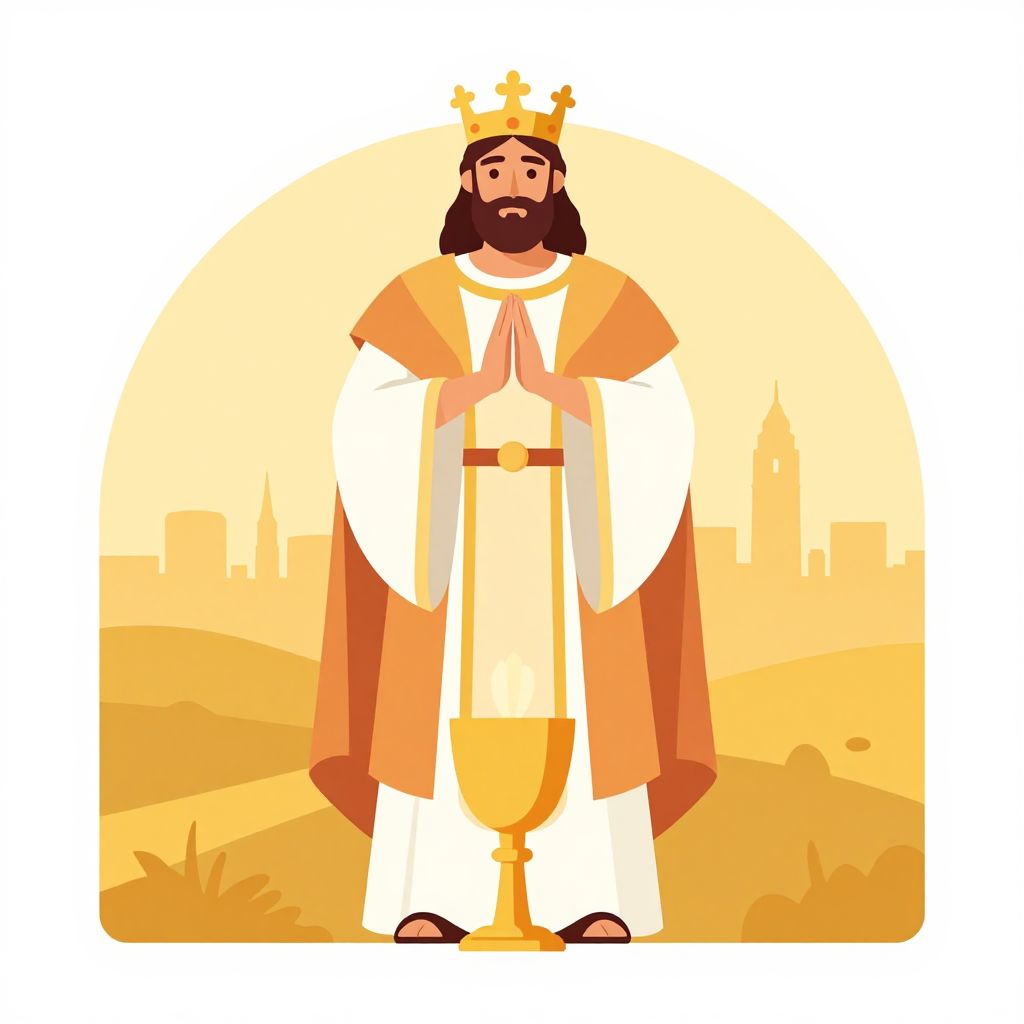
Melchizedek appears in Genesis 14:18-20 as the king of Salem and a priest of God Most High. He blesses Abraham, receives a tithe from him, and is described as a figure without genealogy, symbolizing an eternal priesthood.
Scriptural Overview
Melchizedek first appears in Genesis 14 during a story where Abraham rescues Lot. After the battle, Melchizedek greets Abraham and brings him bread and wine. This act signifies communion and fellowship.
In Genesis 14:19-20, Melchizedek declares a blessing over Abraham: “Blessed be Abram by God Most High, Creator of heaven and earth. And blessed be God Most High, who delivered your enemies into your hand.” After this blessing, Abraham gives him a tenth of everything.
Priestly Role
Melchizedek is not just a king; he is also a priest. His dual role emphasizes the significance of Jesus’ priesthood. The term “priest” indicates someone who serves as a mediator between God and people.
Hebrews 7:1-3 elaborates on Melchizedek’s unique status. He is described as “without father or mother, without genealogy, without beginning of days or end of life.” This is not to say he had no origin; rather, he symbolizes an eternal priesthood, unlike the temporal priesthood of Aaron.
The Significance of Melchizedek
Understanding Melchizedek’s significance unveils vital truths about Jesus. Comparing Melchizedek and Jesus highlights key aspects of God’s plan throughout history.
Comparison to Jesus
In the book of Hebrews, the author emphasizes the superiority of Jesus’ priesthood compared to the Levitical priesthood. Hebrews 5:6 states, “You are a priest forever in the order of Melchizedek.”
Jesus fulfills the promise of a lasting priesthood. Melchizedek’s appearance in Genesis foreshadows Christ’s eternal intercessory role.
Faith and Tithing
Abraham’s act of giving a tithe to Melchizedek reveals his acknowledgment of Melchizedek’s priestly authority. Tithing is a recognition that all belongs to God, an act of faith and trust.
The example of Abraham’s faith challenges us today. Are we giving God the best of what we have? Tithing is not merely a financial act; it’s a spiritual habit that acknowledges God’s provision.
Melchizedek’s Legacy in Scripture
Melchizedek’s legacy continues in literature and discussions about spiritual leadership and mediation. His representation speaks volumes about God’s overarching narrative.
The Melchizedek Priesthood
As mentioned earlier, Hebrews 7 discusses the Melchizedek priesthood. The author of Hebrews argues for Jesus’ priestly authority without the limitations of earthly ancestry. This reshapes our understanding of spiritual leadership.
In Christ, believers share in this priestly role. 1 Peter 2:9 refers to believers as “a royal priesthood, a holy nation.” Each Christian is part of this divine calling, participating in God’s work.
Bread and Wine: A Symbolic Connection
The elements of bread and wine presented by Melchizedek hold deep significance. They foreshadow the Last Supper, where Jesus offers Himself as the Bread of Life.
Matthew 26:26-28 narrates Jesus breaking bread and sharing wine, establishing a New Covenant. This connection draws a parallel between Melchizedek and the sacrificial love of Christ.
Reflecting on Melchizedek’s Lessons
Melchizedek’s character invites us to reflect on the nature of our faith and how we relate to God. His presence in Scripture encourages us to explore our spiritual responsibilities.
Understanding Servanthood
Melchizedek serves as an example of humility and servanthood in leadership. He is a king serving as a priest, offering blessings and communion. Genuine leadership flows from a heart of servanthood.
How can we cultivate a spirit of servanthood in our daily lives? Am I serving others selflessly rather than seeking personal gain?
Encouragement in Trials
Melchizedek arrives during a time of victory for Abraham, emphasizing the importance of divine affirmation amidst trials. Blessings often come after battles, reinforcing that God is present through all circumstances.
When faced with challenges, consider how God may be providing blessings through trials. Are you recognizing the hand of God in your circumstances?
Melchizedek in Christian Living
Applying Melchizedek’s lessons requires intentionality in daily Christian living. His life encourages several practical steps to embody our faith more fully.
Steps Toward Spiritual Growth
1. **Embrace your identity:** Recognize that in Christ you are part of a royal priesthood, called to serve God and others.
2. **Practice generosity:** Like Abraham, consider the importance of tithing and giving back to God. This acknowledges His provision in your life.
3. **Cultivate communion:** Engage in fellowship and communion with others. Reflect on how the bread and wine symbolize our unity in Christ.
4. **Serve selflessly:** Focus on serving others rather than positing yourself as a leader. Genuine service builds meaningful relationships.
Pursuing Eternal Impact
Strive to live with eternity in mind. Melchizedek’s eternal priesthood represents our future hope in Christ.
Colossians 3:2 urges believers to set their minds on things above. As you approach your daily life, reflect on how your actions leave a lasting impact.
Conclusion
Melchizedek’s character in Scripture teaches us about the eternal nature of Christ’s priesthood and our call to serve God and one another. Understanding his role changes how we perceive faith, tithing, and service.
Consider Melchizedek’s lessons and how they apply to your spiritual journey. Pray for guidance to embody the principles he represents and grow closer to God. May each step you take in faith bring you closer to the heart of God.
Explore more faith-based topics and articles like one year Bible reading or discover what happened to Jezebel in the Bible. Each topic provides opportunities for deeper understanding and growth in faith.