
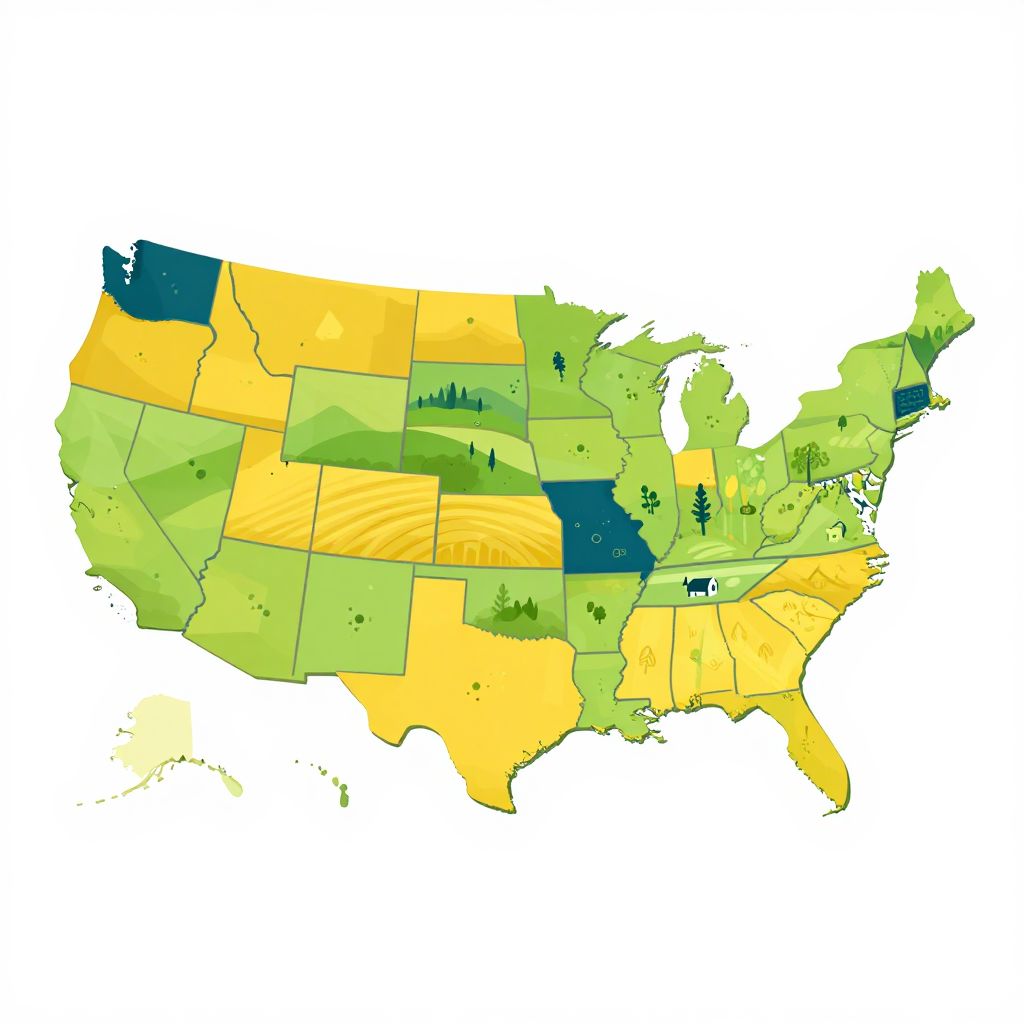
Do you ever wonder about the heart of faith in America? The Bible Belt stands out as a distinct region known for strong religious values and a deep-rooted Christian culture. Discovering its location and essence can illuminate our understanding of spirituality in a diverse society.
The Bible Belt primarily encompasses the Southeastern United States, characterized by a significant population of evangelical Christians. This article explores the geographical and spiritual dimensions of the Bible Belt and what it reveals about God’s people and their life of faith.
Where Is The Bible Belt?
The Bible Belt primarily spans across the southeastern and south-central states of the United States, including places like Alabama, Arkansas, Tennessee, Mississippi, and parts of Georgia and Texas. It can be described as a cultural region where evangelical Christianity plays a prominent role in community life.
What Defines The Bible Belt?
The Bible Belt is marked not just by geography but by shared values, vibrant church communities, and a strong influence of Christian teachings on daily life. Many residents prioritize their faith as a guiding principle.
These communities often exhibit:
- High church attendance: Many people actively participate in their local churches.
- Emphasis on conservative values: Family, morality, and community are central to many residents.
- Strong evangelical influence: Various denominations, particularly Baptists and Methodists, dominate the area.
Historical Context of the Bible Belt
The origin of the term “Bible Belt” dates back to the early 20th century. The region experienced a surge in evangelical movements, partly due to the Second Great Awakening and subsequent revivals.
A notable historical event is the establishment of the Southern Baptist Convention in 1845. This denomination heavily influenced the culture in the Bible Belt, shaping its beliefs and practices.
The Characteristics of Faith in the Bible Belt
The Bible Belt is not just a geographical region; it embodies a unique spiritual journey among its inhabitants. Many residents experience a distinct Christian identity shaped by community, heritage, and shared beliefs.
Community and Church Life
Community forms the backbone of faith in the Bible Belt. Local churches often provide not just spiritual nourishment but also social support.
Residents frequently participate in:
- Potlucks and gatherings: Sharing meals strengthens bonds between families and individuals.
- Outreach programs: Churches engage in community service, reflecting Christ’s command to love one’s neighbor.
- Seasonal events: Whether it’s Easter egg hunts or Christmas pageants, these events foster togetherness.
Scriptural Engagement
The Bible serves as a cornerstone for many who live in the Bible Belt. Regular attendance at church services typically includes a focus on Scripture, encouraging individuals to delve deeply into God’s Word.
Many believers hold fast to verses like:
- 2 Timothy 3:16-17: “All Scripture is God-breathed and is useful for teaching, rebuking, correcting and training in righteousness.”
- Psalms 119:105: “Your word is a lamp for my feet, a light on my path.”
Traditional Values and Cultural Influence
Faith shapes many outcomes in the Bible Belt, influencing societal norms, political views, and personal ethics. Family units often revolve around church activities.
Common values seen across the region include:
- Family-centered living: Institutions center on marriage and family as God intended.
- Respect for authority: Church leaders often hold significant sway in community decisions.
- Charitable giving: Generosity flows naturally, often guided by biblical principles such as those in 2 Corinthians 9:7, which teaches cheerful giving.
The Role of Evangelism
The Bible Belt is recognized for its fervent evangelistic efforts. Many individuals view sharing their faith as a fundamental aspect of their Christian walk.
Personal Evangelism
Personal evangelism emphasizes cultivating relationships and sharing the Gospel in one-on-one settings. The Great Commission recorded in Matthew 28:19-20 inspires many to spread the Word.
Common methods include:
- Invitations to church events: Encouraging friends and family to attend services or special events increases exposure to the Gospel.
- Prayer support: Praying for opportunities to witness can open doors in conversations.
Community Outreach
Churches in the Bible Belt often organize outreach events to serve the community while sharing the love of Christ. These activities emphasize practical expressions of faith.
Outreach initiatives may include:
- Food drives: Collecting food for those in need demonstrates love in action.
- Vacation Bible School: Engaging children during the summer creates memorable experiences that can shape their faith.
Faith in Times of Challenge
The Bible Belt faces its challenges, navigating cultural shifts and economic hardships. Yet, faith remains a source of strength for many in the region.
Resilience and Hope
In tough times, believers in the Bible Belt often draw strength from Scripture. Verses can serve as reminders of God’s promises.
Passages like Romans 15:13 bring encouragement: “May the God of hope fill you with all joy and peace as you trust in him.” Such verses foster resilience.
Responding to Change
As societal tides shift, faith communities in the Bible Belt must discern how to adapt while remaining true to their core beliefs. Many embrace this challenge with grace and courage.
Strategies for navigating change include:
- Engaging in dialogue: Open conversations with individuals of differing beliefs can foster mutual respect.
- Staying rooted in Scripture: Regularly studying the Bible strengthens personal and corporate faith.
The Future of Faith in the Bible Belt
The Bible Belt stands at a crossroads, with changes potentially reshaping its faith landscape. However, God remains sovereign over all circumstances.
Generational Faith Transfer
Faith is passed down from one generation to the next. Institutions and families play a vital role in this transfer process.
Engaging younger generations involves:
- Mentorship programs: Older believers can guide youth to deepen their understanding of faith.
- Interactive worship experiences: Creating engaging environments can draw in youth and allow them to express their faith meaningfully.
Mission and Outreach
Long-standing traditions of mission work and outreach continue to hold significance. Today’s believers retain a call to share Christ, both locally and globally.
Practical examples include:
- Short-term mission trips: Participating in mission work helps believers live out the Great Commission.
- Supporting global initiatives: Financially contributing to organizations that spread the Gospel ensures a broader impact.
Exploring the Bible Belt reveals a rich tapestry of faith, culture, and community. It embodies a struggle between tradition and change, grounded in a deep commitment to God’s Word. The influence of Scripture permeates myriad aspects of daily life.
Have you felt a tug to understand your faith in a deeper way amid cultural shifts? Engage with fellow believers, study the Word, and explore community. See how God is active in your life, just as He is in the Bible Belt.
Bible Study Tips can provide valuable resources for those seeking to dive deeper into Scripture. You can also explore how to Share Your Faith effectively, engaging others in meaningful conversations about God. For insights on Overcoming Doubt, look for encouraging materials that help fortify your faith in challenging times.