
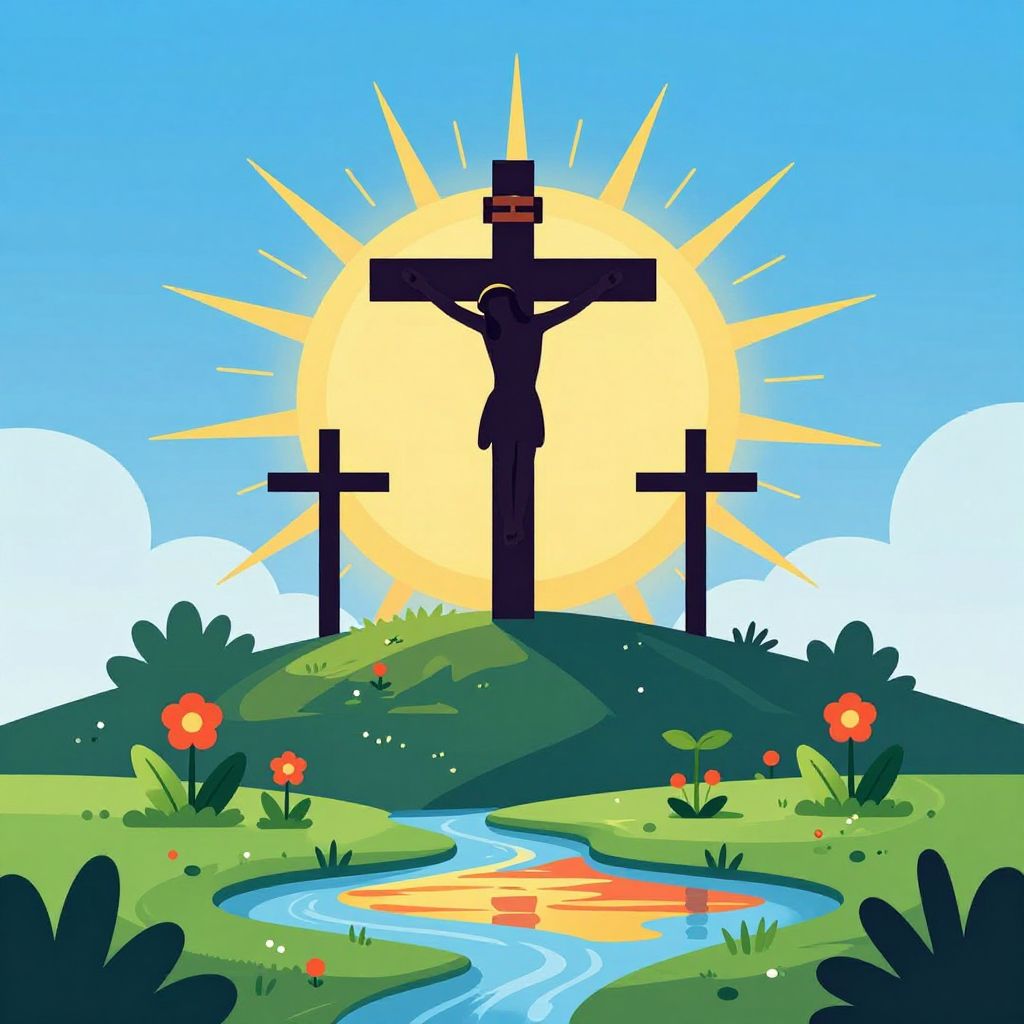
Questions about Jesus’ crucifixion often linger in the hearts of believers. Where did this pivotal moment in Christian history unfold? Understanding the location of Jesus’ death illuminates profound truths about sacrifice, love, and redemption.
Jesus died on a hill called Golgotha, also known as Calvary, located outside Jerusalem’s city walls. This truth is foundational for grasping the significance of His death, which offers hope and salvation to all who believe.
Where Did Jesus Die?
Jesus died at Golgotha, a location just outside Jerusalem. The name means “Place of the Skull,” and it carries deep historical and spiritual significance. Here, Jesus bore the weight of humanity’s sins, fulfilling His divine mission while marking a pivotal moment in God’s redemptive plan.
Understanding Golgotha’s Significance
The physical location of Golgotha connects to various prophecies and symbolism. Isaiah 53:5 states, “But he was pierced for our transgressions, he was crushed for our iniquities.” The agony He faced at this precise location emphasizes the depth of His sacrifice.
The blending of Golgotha’s name and the event is striking. The “skull” symbolizes death and mortality, highlighting how Jesus conquered both. His death at Golgotha was not merely a tragic end but the beginning of hope for believers.
The Historical Context of Golgotha
To fully appreciate His sacrifice, one must consider the historical context of the first century. Crucifixion served as a Roman form of execution reserved for the most heinous criminals. Jesus, innocent and sinless, received the death that was not His due.
Jesus’ crucifixion outside the city signifies a rejection by the religious leaders of the time. In John 19:16-18, we read that He was taken to Golgotha to be crucified. This action exemplified not only a physical removal but also a spiritual separation from the Jewish community.
The Events Leading to Jesus’ Death
Understanding the timeline leading to His death reveals God’s plan unfolding. Jesus, fully aware of what lay ahead, walked towards Golgotha willingly and purposefully, fulfilling Isaiah 53:7, which says, “He was oppressed and afflicted, yet he did not open his mouth.”
The Last Supper and Betrayal
The Last Supper, where Jesus shared a final meal with His disciples, foreshadowed the events to come. In Matthew 26:26-28, Jesus institutes Communion, using bread and wine to symbolize His body and blood. This moment highlights the sacrifice about to unfold.
Judas’ betrayal adds layers to the story. His decision to betray Jesus for thirty pieces of silver reflects the world’s rejection of Christ. In Matthew 26:14-16, we see that greed led Judas to a monumental mistake, providing the opportunity for Jesus’ arrest.
The Arrest and Trial
The Garden of Gethsemane becomes the setting for Jesus’ arrest. After praying fervently, He willingly submits to the Father’s will. The chaos that ensued depicts the darkness of humanity choosing to arrest the light. In John 18:12-14, Jesus faces the unjust trial orchestrated by the Sanhedrin.
The mocking and physical abuse during this trial only deepen the horror of the moment. Jesus, as the Lamb of God, stood silent before His accusers, showcasing the fulfillment of Isaiah’s prophecy. His refusal to defend Himself ultimately led Him to Golgotha.
The Crucifixion at Golgotha
At Golgotha, the crucifixion reaches its climax. This event reveals profound theological significance. Jesus hung on the cross, taking upon Himself the sins of the world. John 19:19-22 reveals the inscription placed above His head: “Jesus of Nazareth, King of the Jews.”
The Cross: A Symbol of Suffering and Hope
The cross stands as a dual representation of suffering and hope. It symbolizes the depth of Christ’s suffering but also the promise of salvation for all who believe. In Matthew 27:46, Jesus cries out, “My God, my God, why have you forsaken me?” This moment illustrates the despair of separation from the Father.
Yet, even in His anguish, Jesus remained focused on His mission. Luke 23:34 reveals His words of forgiveness: “Father, forgive them, for they do not know what they are doing.” In this, He sets a radical standard for how believers are called to respond to offenses.
The Death of Jesus
After hours of suffering, Jesus breathes His last. Matthew 27:50 states, “And when Jesus had cried out again in a loud voice, he gave up his spirit.” This act of surrender illuminates His complete obedience to the Father’s will.
In that moment, the veil of the temple tears (Matthew 27:51), signifying the end of the separation between God and humanity. This tears down barriers, allowing all to approach the Father through Jesus, the ultimate sacrifice.
The Aftermath: The Burial and Resurrection
Jesus’ burial adds to the significance of Golgotha and His death. In Mark 15:40-47, we witness Joseph of Arimathea bravely taking Jesus’ body and placing it in his own tomb. This act often reflects a personal response to the sacrifice made.
The Resurrection: The Hope Beyond Death
The story does not end with Jesus’ death; the resurrection is key. On the third day, He rises, conquering death and sin. In Matthew 28:6, the angel proclaims, “He is not here; he has risen, just as he said.” This moment solidifies His identity as the Son of God and offers hope to all believers.
The resurrection transforms the cross from an act of despair into a powerful symbol of victory. Believers celebrate this truth because it confirms that death is not the end; it’s a transition into eternal life.
The Spiritual Significance of Golgotha
Golgotha represents much more than a physical location. In a spiritual sense, it embodies the depth of Christ’s love and the gravity of sin. Understanding this enables believers to appreciate the magnitude of His grace.
God’s Love Manifested
Romans 5:8 declares, “But God demonstrates his own love for us in this: While we were still sinners, Christ died for us.” Golgotha serves as the fulcrum balancing God’s justice and love. He does not overlook sin; rather, He pays for it through Christ’s sacrifice.
This profound love invites individuals into a relationship with the Savior. Have you accepted Christ’s unmerited grace? Reflect on the depth of your gratitude for what He endured at Golgotha.
Redemption Through Sacrifice
Golgotha illustrates the essence of Christian faith—redemption through sacrifice. The author of Hebrews in 9:22 reminds us, “without the shedding of blood, there is no forgiveness.” Jesus’ sacrifice provides the ultimate atonement for sin.
Each believer is called to respond to this truth. How does the cross shape your daily decisions and relationship with God? Consider embracing a life reflecting Christ’s love and sacrifice.
Living in Light of Golgotha
The implications of Jesus’ death extend beyond historical acknowledgment. Believers are called to live in light of the truth of Golgotha. This truth shapes character, priorities, and interactions with others.
Grace and Forgiveness
Recognizing the gravity of His grace invites believers to extend it outward. Ephesians 4:32 reminds us to “be kind and compassionate to one another, forgiving each other, just as in Christ God forgave you.” Forgiveness becomes a way of life, rooted in what Christ demonstrated at Golgotha.
In a culture where holding grudges is common, believers offer a different narrative. How can you practice forgiveness in your life? Reflect on relationships needing restoration.
Sharing the Good News
Living in light of Golgotha also compels believers to share the message of hope. The Great Commission in Matthew 28:19-20 instructs believers to make disciples of all nations. Each follower of Christ carries the responsibility of sharing the transformative truth of the Gospel.
How will you take steps today to share your faith? Consider connecting with someone who may not know the life-changing story of Jesus’ death and resurrection.
Conclusion
Jesus’ death at Golgotha signifies the heart of Christianity. It illustrates profound truths about love, grace, and redemption. This event, where the weight of the world’s sin collided with God’s perfect sacrifice, changed history forever.
Reflect on the rich significance of Golgotha in your life. Let it inspire a deeper faith, commitment to forgiveness, and a call to share hope with others. Engage with the truth that Jesus died to give you life, and let that truth animate