
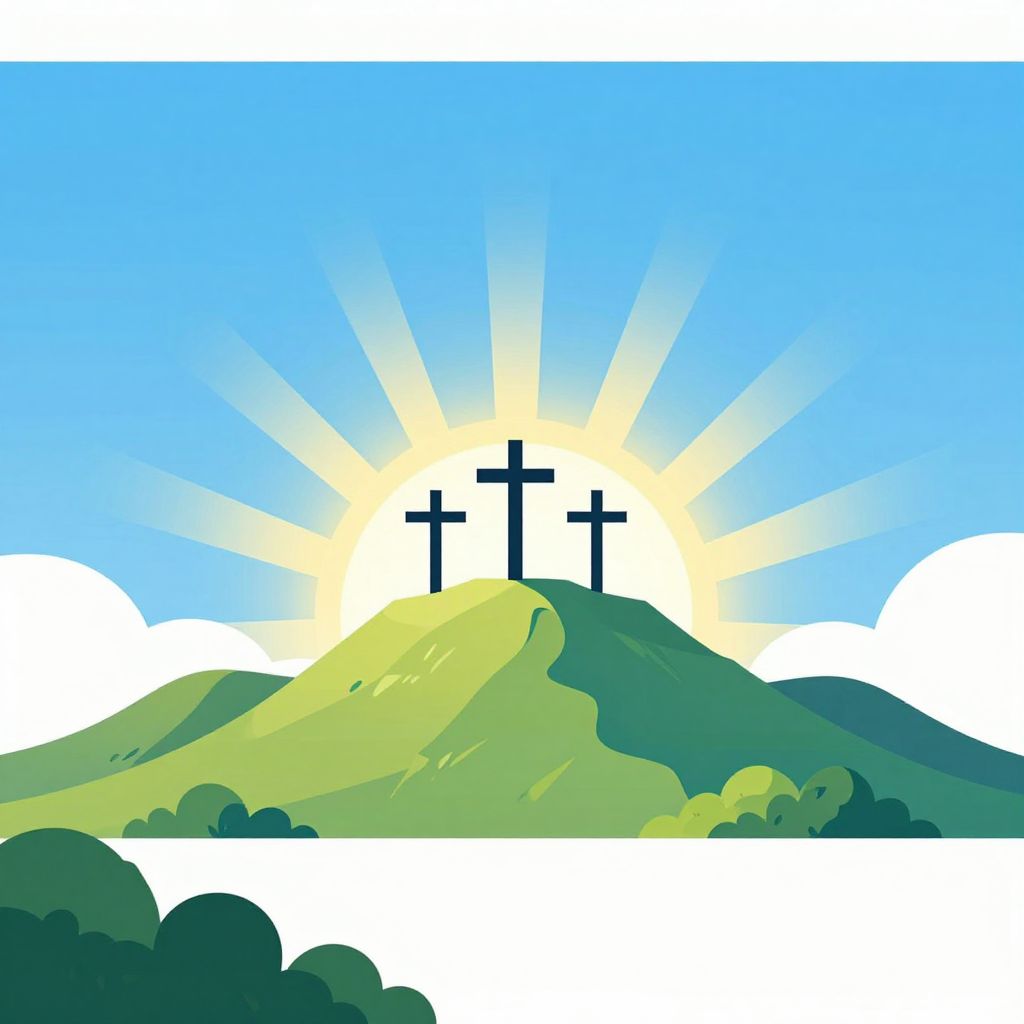
Have you ever wondered about the significance of the place where Jesus was crucified? Understanding the location and its implications can deepen your appreciation for the sacrifice Christ made. The mountain associated with His crucifixion is both a physical location and a symbol of profound spiritual truths.
This article explores the mountain on which Jesus was crucified, called Golgotha or Calvary, its biblical context, and what it means for believers today. This understanding is vital not just for historical accuracy but also for grasping the depth of God’s love and redemption.
What Mountain Was Jesus Crucified On?
Jesus was crucified on a hill known as Golgotha, which translates to “the place of the skull.” This location is situated just outside the walls of Jerusalem. The significance of Golgotha extends beyond its physical landscape; it represents the intersection of divine love and human sin.
The Biblical Account of Golgotha
The New Testament provides the key accounts of Jesus’ crucifixion on Golgotha. In Matthew 27:33, we find this mention: “They came to a place called Golgotha (which means ‘the place of the skull’).” Both Mark and John also refer to this place in their Gospels, affirming its historical significance.
Golgotha echoes back to early biblical narratives, connecting themes of death and sacrifice with Jesus’ own destiny. This spot is where humanity’s greatest need for redemption met God’s ultimate sacrifice.
The Historical and Cultural Significance of Golgotha
Understanding the historical and cultural context of Golgotha enhances our spiritual insights. In Roman times, this hill served as a public execution site. Crucifixions occurred outside city walls, emphasizing the shame and rejection of those condemned. Jesus’ crucifixion occurred in a public setting, symbolizing His disgrace but also His willingness to bear our shame.
Why did Jesus endure such humiliation? Hebrews 12:2 offers clarity: “For the joy set before him, he endured the cross, scorning its shame.” This verse profoundly illustrates the mission of love that drove Jesus to Golgotha.
The Geography of Golgotha
The geographical features of Golgotha were significant to the crucifixion narrative. Located on a rocky outcrop, the hill was visible from a distance, assuring that many people witnessed the event. The location served as a stark reminder of the consequences of sin and the offering of grace.
Golgotha’s visibility symbolizes how Christ’s sacrifice wasn’t done in a corner but is central to human history. Consider how the public nature of the crucifixion served to fulfill prophetic scripture while simultaneously demonstrating God’s sovereignty.
The Fulfillment of Prophecy at Golgotha
Several Old Testament prophecies foreshadowed the crucifixion of Jesus. Isaiah 53:5 states, “But he was pierced for our transgressions, he was crushed for our iniquities.” These prophetic words underscore the purpose of Golgotha as the fulfillment of God’s redemptive plan.
Jesus’ place on the cross at Golgotha serves as the culmination of these prophecies. His death, as foretold, stands as proof of God keeping His promises. What does this mean for you? Reflect on how God’s Word is true and unchanging. How does it impact your faith when you see that Jesus is the embodiment of God’s promises?
The cross is not just a method of execution but a profound symbol of redemption. At Golgotha, Jesus transformed the cross from an instrument of shame into a symbol of hope and new life.
In 1 Corinthians 1:18, Paul states, “For the message of the cross is foolishness to those who are perishing, but to us who are being saved it is the power of God.” This change in the cross’s meaning highlights the heart of the Gospel. The cross calls believers to lay down their lives in service to God and to each other.
Theological Implications of Golgotha
Golgotha serves as a centerpiece for essential Christian doctrines. It emphasizes the themes of atonement, love, forgiveness, and offering oneself for the sake of others.
In Romans 5:8, Paul writes, “But God demonstrates his own love for us in this: While we were still sinners, Christ died for us.” This verse highlights the core message of the New Testament: Jesus’ death was not an accident but a deliberate act of sacrificial love.
Golgotha as a Call to Action
As believers, our understanding of Golgotha should lead us into action. The death of Christ at this site calls for a response of faith, repentance, and a commitment to live for Him. How do believers practically respond to the sacrifice Jesus made?
- **Embrace Forgiveness:** Acknowledge that the cross represents abundant grace available to all. Allow Christ’s forgiveness to transform your life.
- **Share the Message:** The transformative power of Golgotha demands sharing the Good News with others. How can you find opportunities to share Christ’s love?
- **Live Sacrificially:** Responding to Golgotha means living a life of service. Consider how you can support others, embodying Christ’s sacrificial love.
Applying the Truths of Golgotha to Daily Life
The implications of Jesus’ sacrifice at Golgotha should resonate in your daily life. Reflect on how the crucifixion shapes your relationships, decisions, and interactions with others.
Consider the significance of your identity as a follower of Christ. Galatians 2:20 reminds you, “I have been crucified with Christ and I no longer live, but Christ lives in me.” This beautiful truth challenges you to live out your faith actively.
Embracing Our New Identity
Your identity in Christ transforms your perspective on challenges. The sacrifice at Golgotha highlights that you are no longer bound by sin; you have the strength to overcome. How does knowing you are loved unconditionally shape your view of life’s difficulties?
Recognizing that Christ overcame death at Golgotha empowers believers to face everyday struggles with hope. Your life should reflect the light of that victory.
The Ongoing Impact of Golgotha
The significance of Golgotha continues to echo through centuries of Christian faith. It serves as a reminder that, though Christ faced the ultimate rejection, He triumphed over sin and death. The impact of this hill resonates in worship, prayer, and in sharing the Gospel.
Your ongoing relationship with Jesus should find expression in how you engage with the world. What steps can you take today to allow Golgotha’s influence to be evident in your words and actions?
The Role of Community
In embodying the lessons from Golgotha, the Christian community plays a vital role. Hebrews 10:24-25 urges believers to encourage one another and gather together.
How do you contribute to your community? Engaging with other believers strengthens your faith journey and highlights the beauty of the Church as the body of Christ. Consider joining or forming a small group to explore these truths together.
The Comfort of Golgotha in Trials
Life will bring challenges. The crucifixion at Golgotha reminds believers of Christ’s suffering and ultimate victory. When facing trials, you can find comfort knowing Christ understands your pain.
In John 16:33, Jesus reassures, “In this world you will have trouble. But take heart! I have overcome the world.” This promise means that the weight of Golgotha is not only about the past but provides strength for today.
Hope Amidst Suffering
Recognizing Golgotha allows you to approach suffering with hope. What does it look like in your life to lay burdens at the foot of the cross? Engage with Scripture to find comfort and peace amidst uncertainty.
Consider meditating on passages like 2 Corinthians 1:3-4, which remind us that God comforts us in our troubles, so we can comfort others. Your experience of God’s comfort can be a source of encouragement for those around you.
Conclusion: The Mountain of Golgotha
The mountain of Golgotha stands as a monument to Jesus’ love and sacrifice. Understanding its significance enhances your faith journey and encourages a life full of gratitude and ministry.
As you reflect on what Golgotha represents, consider asking yourself: How does this truth shape your walk with Christ? What actions can you take to share His love with others? May the reality of Golgotha guide you into deeper relationship with God and joyful obedience.
Explore more faith-based topics and articles to deepen your understanding of Scripture and your walk with Christ. Consider checking out the Finding Your Purpose, which offers insights on living out your faith effectively. You might also enjoy Categories Bible Questions