
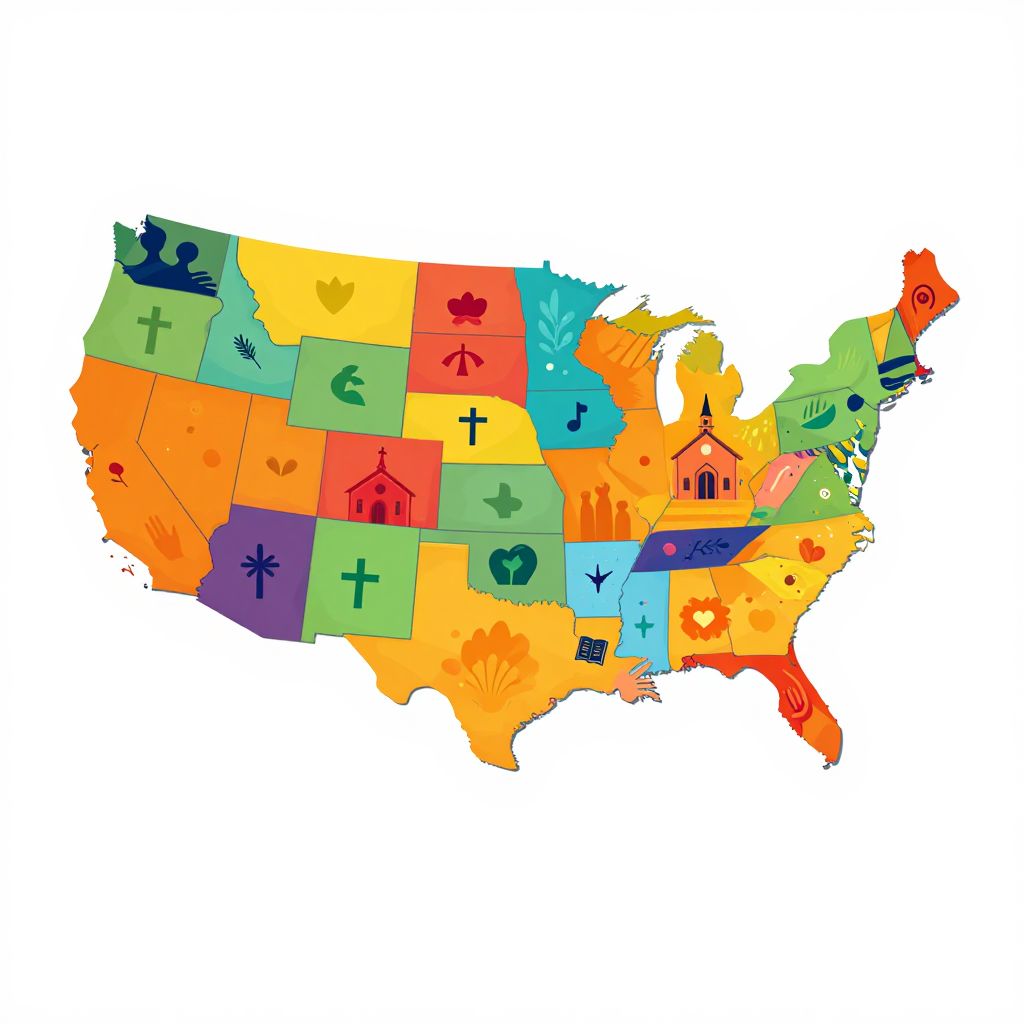
Many people wonder about the spiritual landscape of the United States, often identifying regions by their cultural and religious characteristics. Have you ever felt that your faith is shaped by where you live? The Bible Belt is one such region, where Christianity plays a significant role in daily life. Understanding the Bible Belt reveals much about American spiritual life and culture.
This article explores what the Bible Belt is, its characteristics, and how it reflects God’s presence in community life. Through examining its influence, we will discover deeper insights into the role of faith in shaping lives and communities across this unique region.
What Is The Bible Belt?
The Bible Belt refers to a region in the southern and southeastern United States, where evangelical Christian beliefs are widespread and deeply embedded in the culture. States like Texas, Tennessee, Mississippi, and Alabama form the core of this area. Here, church attendance is high, and Biblical values often influence social norms and political landscapes.
Defining the Bible Belt
It’s vital to understand that the term “Bible Belt” represents more than geography. It signifies a devotion to traditional Christian values and practices. People in this area often prioritize their faith in daily life, community interactions, and even politics.
The Bible Belt is marked by a range of Christian denominations, including Baptists, Methodists, Pentecostals, and others. Churches serve both as spiritual hubs and community centers, fostering a close-knit atmosphere.
The Spiritual Landscape of the Bible Belt
In this region, the spiritual atmosphere can be felt in various ways. From the architecture of churches to the cadence of Sunday morning services, the Bible Belt embodies a living faith among its believers.
High Church Attendance
Many residents participate in church services regularly, often weekly or more. Statistics indicate that church attendance is significantly higher in this region compared to others. This devotion demonstrates the vital role that faith plays in individual and community life.
Scriptural Engagement
In the Bible Belt, people engage deeply with Scripture. Many Christians memorize verses and study the Bible regularly. This commitment to God’s Word fosters robust faith and encourages practical application of Biblical principles in everyday situations.
Cultural Characteristics
Life in the Bible Belt is often infused with Christian culture. This environment shapes values, beliefs, and lifestyles, often leading to unique community dynamics.
Community and Tradition
Tradition is an essential part of life in the Bible Belt. Many families have attended the same church for generations. These connections build a strong sense of belonging and shared values.
Community events, including potlucks, youth gatherings, and outdoor services, create bonds among believers. Such events not only foster faith but also build friendships.
Morality and Social Issues
Christian values often shape moral perspectives in the Bible Belt. Issues like marriage, family structure, and social behavior reflect these beliefs, with many advocating for adherence to Biblical teachings.
However, this can lead to tension when cultural values clash with other worldviews. How do Christians navigate these challenges while holding true to their faith?
Challenges and Changes in the Bible Belt
The Bible Belt faces several challenges, especially in a changing cultural landscape. As diverse perspectives emerge, conflicts may arise regarding faith and social issues.
Encountering Secularism
Secularism increasingly influences American society, even within the Bible Belt. Many young people question traditional beliefs, leading to a rising trend of disassociation with organized religion.
How can the church respond to these changes effectively? The answer lies in engaging in meaningful dialogue, ensuring that faith remains relevant and accessible.
Embracing Diversity
While traditionally rooted in evangelical Christianity, the Bible Belt is becoming more diverse. New demographics introduce different faiths and beliefs to the mix. This diversity calls for thoughtful engagement and understanding.
Believers are challenged to reflect Christ’s love, embracing those with different perspectives while remaining grounded in biblical truth.
Key Values in the Bible Belt
Several values commonly emerge in the Bible Belt, representing the heart of its Christian community.
Faith and Family
Faith serves as a cornerstone of life in the Bible Belt. Families often prioritize shared faith experiences, emphasizing prayer, church attendance, and Bible study as central components of family life.
Have families in your life experienced challenges to their faith? Remember that supporting one another through prayer and encouragement builds a firmer foundation.
Service and Outreach
Many churches engage in local and global missions. Serving the community reflects Jesus’ teachings on love and compassion. Outreach efforts may include food pantries, clothing drives, and volunteer programs.
Such activities inspire believers to live out their faith actively. Have you considered how you might serve those around you?
The Role of Scripture in Daily Life
Scripture provides guidance and hope to individuals and families in the Bible Belt. Many believers view the Bible as a practical handbook for living.
Guidance in Decision-Making
Christians often turn to God’s Word when facing life decisions. Proverbs 3:5-6 encourages trust in the Lord with all one’s heart, promising direction when we seek Him.
Have you sought God’s counsel in your choices? Prayerfully studying Scripture creates clarity and peace amid uncertainty.
Applying Biblical Principles
Bible Belt residents frequently apply biblical teachings to areas like relationships, finances, and work ethics. Ephesians 4:32 teaches kindness, compassion, and forgiveness in interpersonal relationships.
How do these principles shape your interactions with family, friends, or coworkers? A deliberate focus on applying God’s Word transforms lives and communities.
Looking Ahead: The Future of the Bible Belt
The future of the Bible Belt stands at a crossroads. As society changes, so does the landscape of faith in this region. Church leaders and members face the task of engaging with evolving cultural realities while remaining anchored in Scripture.
Innovative Ministry Approaches
Churches may adopt creative strategies to reach younger generations. Using technology, social media, and contemporary worship styles can foster connection and relevance.
How can your local church embrace change while remaining true to its mission? A willingness to adapt invites opportunities for growth and outreach.
Encouraging Dialogue
Promoting open conversations about faith may bridge gaps between differing beliefs. Engaging respectfully with those who hold different perspectives enriches understanding and compassion.
Are you willing to have challenging conversations rooted in love? Christ modeled this approach, inviting us to engage with diverse views while remaining firm in truth.
Conclusion
The Bible Belt reflects a unique aspect of American Christianity, rich with community, commitment, and challenges. This region illustrates what it means to live out faith actively and intentionally. Through understanding the Bible Belt, believers can find inspiration to engage their communities with love and grace.
As society evolves, may prayer, Scripture, and service continue to guide the hearts and actions of those in the Bible Belt. Which step can you take today to build bridges within your community, demonstrating Christ’s love to those around you?
Explore more faith-based topics and articles to deepen your understanding. Check out how to live out your faith practically, tips on studying Scripture effectively, or learn more about building community in your church. Each article offers insights grounded in God’s Word and designed to inspire your spiritual journey.