
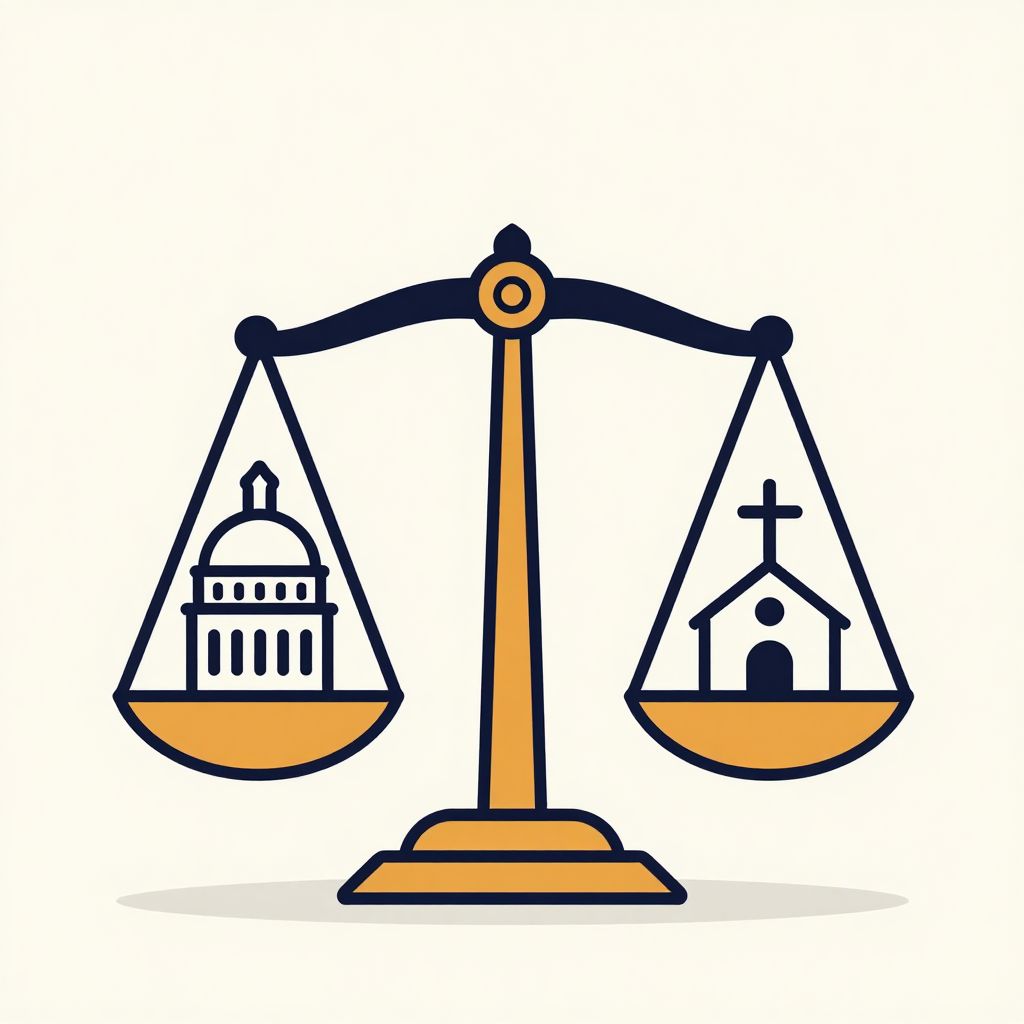
How should Christians approach the complex world of politics? Many believers grapple with their role in a system that often feels divided and contradictory. The Bible offers guiding principles that can anchor our understanding and actions in the political sphere.
This article will explore what Scripture says about politics, emphasizing God’s sovereignty, the call for believers to engage with their communities, and the need for discernment in our political affiliations and actions.
What Does The Bible Say About Politics?
The Bible addresses politics directly and indirectly, emphasizing that God is sovereign over all governments and authorities. Romans 13:1 reminds us that “everyone must submit to the governing authorities, for there is no authority except that which God has established.” This verse lays a foundation for Christians to navigate their political responsibilities with respect and obedience.
The Sovereignty of God in Politics
God’s sovereignty is a central theme throughout Scripture. He establishes kings and removes them (Daniel 2:21). Understanding this helps Christians view political events through the lens of faith, trusting that God is ultimately in control, even when circumstances seem chaotic.
- Daniel 2:21: “He changes times and seasons; he deposes kings and raises up others.”
- Psalm 22:28: “For dominion belongs to the Lord and he rules over the nations.”
- Proverbs 21:1: “The king’s heart is in the hand of the Lord; he directs it like a watercourse wherever he pleases.”
Recognizing God’s authority over political leadership provides comfort. It leads to prayer for those in power, aligning believers’ hearts with God’s will. Are you praying for your leaders, regardless of your political stance?
The Call to Engage
God calls believers to engage in their communities and influence the political landscape. Jeremiah 29:7 encourages us to “seek the peace and prosperity of the city.” This directive extends beyond mere participation; it emphasizes actively contributing to the welfare of the community.
- Matthew 5:13-16: “You are the salt of the earth… You are the light of the world.”
- Lamentations 3:27: “It is good for a man to bear the yoke while he is young.”
Believers must not remain passive observers. Instead, we should advocate for justice, mercy, and truth in the political sphere. This requires informed and compassionate engagement. How can you contribute positively to the dialogue around political issues you care about?
Understanding Our Role as Citizens
Christians hold dual citizenship: we are citizens of heaven and citizens of our respective nations. Philippians 3:20 emphasizes, “But our citizenship is in heaven. And we eagerly await a Savior from there, the Lord Jesus Christ.” This perspective impacts how we engage in politics.
Obedience to Authorities
Romans 13:1-2 instructs believers to obey governing authorities. Respecting laws and regulations reflects our commitment to God’s order. However, obeying authorities does not equate to blind allegiance. Acts 5:29 teaches us that “We must obey God rather than human beings” when directives conflict with biblical principles.
- 1 Peter 2:13-16: “Submit yourselves for the Lord’s sake to every human authority.”
- Matthew 22:21: “So give back to Caesar what is Caesar’s, and to God what is God’s.”
This balance creates a tension in our political engagement. When is it appropriate to resist authority? Are you able to discern moments when standing for truth may involve speaking against governmental policies?
Praying for Leaders
Prayer for leaders is a biblical mandate. 1 Timothy 2:1-2 urges us to “[make] petitions, prayers, intercession and thanksgiving for all people—for kings and all those in authority.” This approach cultivates humility and recognition of God’s ultimate control over every situation.
- James 5:16: “The prayer of a righteous person is powerful and effective.”
- Philippians 4:6: “Do not be anxious about anything, but in every situation by prayer and petition…”
Are your prayers focused on wisdom for leaders and healing for divisions? This practice can transform how we view political conversations and help us respond with grace rather than frustration.
The Ethics of Political Participation
Christians are called to reflect Christ in every area of life, including politics. Navigating the ethics of political engagement requires intentional reflection on our motives and actions.
The Importance of Integrity
Integrity should characterize a believer’s political involvement. Proverbs 10:9 states, “Whoever walks in integrity walks securely.” This assurance stands in contrast to the often-tumultuous political environment.
- Proverbs 11:3: “The integrity of the upright guides them…”
- Titus 2:7: “In everything set them an example by doing what is good.”
Integrity reminds believers to represent Christ’s character in discussions, campaigning, and voting. Do your values align with your political actions? Are your conversations laced with grace and truth?
Responding to Differences
Politics inherently involves differences of opinion. Colossians 3:12-14 instructs believers to clothe themselves with compassion, kindness, humility, gentleness, and patience, especially in disagreements. This calls for humility in our approach to differing viewpoints.
- Ephesians 4:2: “Be completely humble and gentle; be patient, bearing with one another in love.”
- Romans 14:19: “Let us therefore make every effort to do what leads to peace and to mutual edification.”
How can you cultivate a spirit of unity in a politically charged atmosphere? Pursuing meaningful conversations can lead to greater understanding and can glorify God.
Political Ideologies and the Christian Perspective
Political ideologies vary widely, each with distinct foundations and beliefs. Christians must evaluate these ideologies not through a partisan lens but through the filter of Scripture.
Aligning Values with Scripture
The Bible establishes moral truth that transcends political platforms. Micah 6:8 beautifully summarizes God’s desires: “What does the Lord require of you? To act justly and to love mercy and to walk humbly with your God.” Policies and candidates should reflect these values.
- Isaiah 1:17: “Learn to do right; seek justice. Defend the oppressed.”
- Luke 4:18: “He has anointed me to proclaim good news to the poor…to set the oppressed free.”
While different parties may promote various agendas, believers must weigh their preferences against the truths of Scripture. Are your political choices motivated by convenience or conviction?
Finding Common Ground
Political discourse can feel divisive; however, finding common ground is essential for unity among believers. Romans 12:18 encourages, “If it is possible, as far as it depends on you, live at peace with everyone.” This directive calls for reflection and a willingness to collaborate across political divides.
- Philippians 2:2: “Then make my joy complete by being like-minded, having the same love, being one in spirit and of one mind.”
- 1 Corinthians 1:10: “I appeal to you, brothers and sisters, in the name of our Lord Jesus Christ, that all of you agree with one another…”
How can you build bridges rather than walls in conversations with those who may hold different views? Seeking understanding and compassion can be transformative.
Faith-Driven Activism and Social Justice
Engagement in activism often arises from a deep desire to be agents of change in society. The essence of faith-driven activism aligns with biblical justice and love for our neighbors, as reflected in Galatians 5:13: “Serve one another humbly in love.”
The Heart of Advocacy
Advocacy rooted in faith goes beyond political agendas. It seeks to address systemic issues promoting injustice and inequalities. Isaiah 61:1 emphasizes the call to proclaim good news to the poor and freedom for the oppressed.
- Proverbs 31:8-9: “Speak up for those who cannot speak for themselves…defend the rights of the poor and needy.”
- Matthew 25:40: “Whatever you did for one of the least of these brothers and sisters of mine, you did for me.”
What causes are burdening your heart? Stepping into