
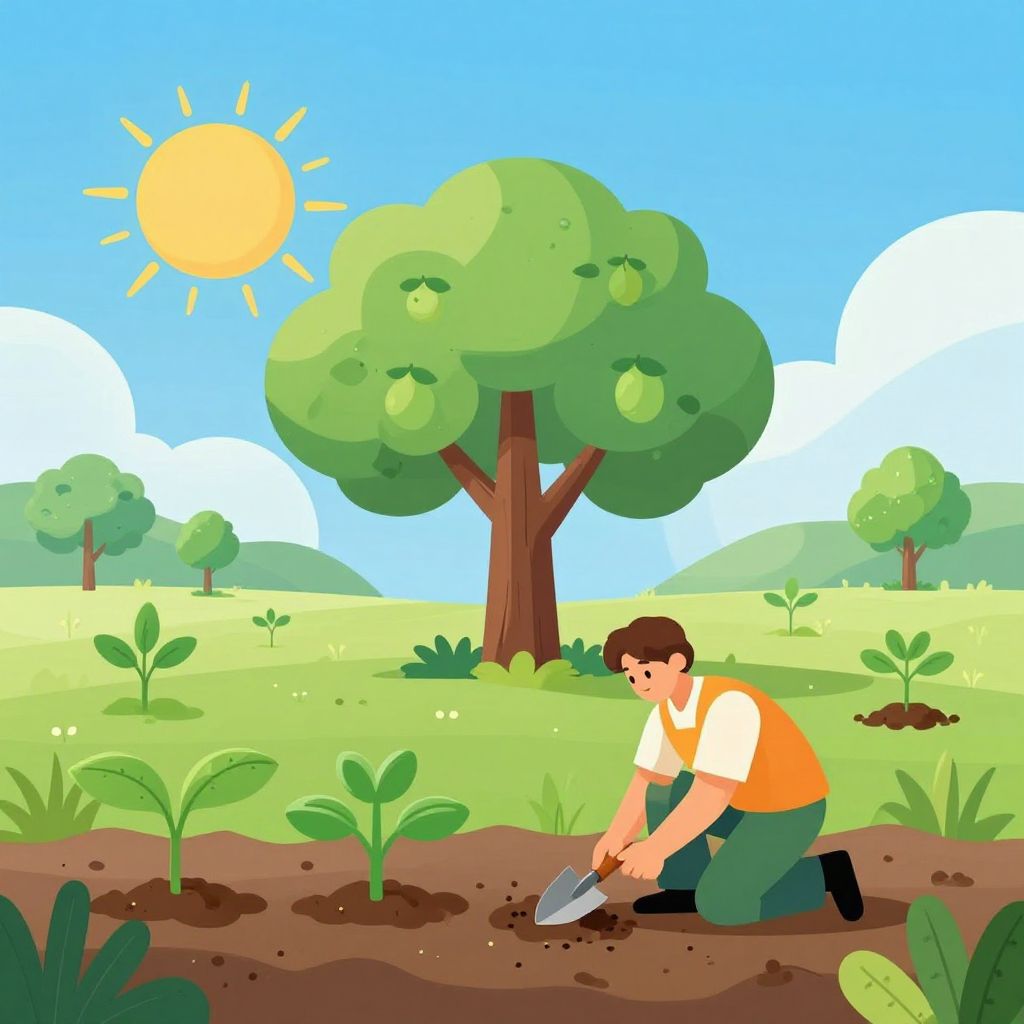
The principle of reaping what you sow resonates deeply within the Christian faith. Believers often grapple with the weight of their actions and the consequences they carry. The Bible speaks profoundly to this truth, inviting us to explore how our choices shape our lives and our relationship with God.
This article will delve into the Bible verse that captures this concept, specifically Galatians 6:7, and its implications for our daily walk with Christ. Understanding this verse clarifies the connections between our actions, God’s character, and the growth of our faith.
Reap What You Sow Bible Verse?
The verse “A man reaps what he sows” comes from Galatians 6:7 (NIV). This powerful statement encapsulates the biblical truth that our actions, both good and bad, will return to us in some form. The principle serves as a reminder of the responsibility we hold in our daily choices and their spiritual ramifications.
The Context of Galatians 6:7
In Galatians, the Apostle Paul addresses a community struggling with faith, legalism, and spiritual freedom. This verse is part of his broader teaching on the consequences of our behavior in the context of Christian living. Paul emphasizes that God is not deceived; our actions do indeed have consequences.
Why does Paul draw attention to this principle? The answer lies in his message about living in the Spirit versus living in the flesh. By understanding this verse, believers can recognize the importance of spiritual integrity in their actions.
Understanding What It Means to “Sow”
Sowing represents our actions, decisions, and lifestyle choices. In agricultural terms, sowing involves planting seeds. Spiritually, sowing refers to the things we invest in our lives — our thoughts, words, and deeds. Each action serves as a seed that leads to a particular harvest.
What are you sowing in your life right now? Are your thoughts and actions aligning with God’s Word? Reflecting on these questions encourages self-examination and a deeper connection to God’s intent for our lives.
Implications of Reaping What You Sow
The concept of reaping what you sow carries significant implications for our spiritual journey. It serves as a reminder of two essential truths: accountability and the opportunity for growth.
Accountability in Actions
Each choice we make can have lasting consequences, sometimes beyond our understanding. The verse calls us to accountability for our actions. What we choose to do today affects both our present circumstances and future outcomes.
Consider the choices you make daily. Are they rooted in love, kindness, and generosity? Or are they influenced by selfishness or anger? Our accountability reflects our character and shapes our spiritual journey.
The Opportunity for Growth
Another vital aspect of reaping what you sow is the opportunity for growth. Scripture encourages us to bear good fruit by planting seeds of righteousness. In Galatians 6:8, it states, “Whoever sows to please their flesh, from the flesh will reap destruction; whoever sows to please the Spirit, from the Spirit will reap eternal life.”
This principle invites believers to consider their long-term spiritual growth and invest in what truly matters. Are you intentionally sowing seeds that build your faith and reflect God’s love?
Examples of Sowing and Reaping in the Bible
Throughout Scripture, we find numerous examples that illustrate the principle of reaping what you sow. These biblical narratives provide both warnings and encouragements, highlighting the direct effects of individual actions.
The Story of Joseph
Joseph’s life story, found in Genesis, demonstrates how sowing seeds of faith and integrity can lead to a glorious harvest. Despite facing betrayal and hardship, Joseph remained faithful to God, sowing righteousness amidst adversity.
His eventual rise to power in Egypt underscores the reality that what we plant in faith and trust bears fruit, even when circumstances appear bleak. The journey may be painful, but God rewards steadfastness.
The Consequences of David’s Actions
In contrast, King David’s actions regarding Bathsheba serve as a stark reminder of the consequences of sin. David’s choices led to a cascade of failures that affected his family and reign. The sowing of sinful desires resulted in a painful harvest.
This account urges caution. God’s grace is sufficient for forgiveness, but the principle of reaping still applies, highlighting the importance of righteous living.
Practical Steps for Sowing Righteousness
Understanding the principle of reaping what you sow invites practical applications for daily living. Here are essential steps for sowing righteousness in your life:
- Engage in Daily Prayer: Strengthen your relationship with God through intentional prayer time. Seek guidance in your decisions and sow seeds of faith.
- Practice Generosity: Be intentional about giving — both financially and in acts of kindness. Generosity plants seeds that bless others and foster community.
- Invest in Relationships: Build healthy, loving relationships. The time and energy you invest in friends and family produce a rich harvest of love and support.
- Study Scripture: Spend time reading and reflecting on God’s Word. Plant His truth in your heart to guide your actions.
- Serve Others: Engage in service within your church or community. Acts of service create paths for God’s love to shine through you.
What Happens When You Ignore This Principle?
Neglecting to heed the warning of reaping what you sow results in missed opportunities for growth and spiritual maturity. Ignoring this truth can lead to destructive behavior, relationships, and ultimately a fractured faith.
The Danger of Apathy
Apathy towards spiritual growth can lead to stagnation, which prevents the flourishing of a faithful walk. Continuous sowing of unproductive or harmful behaviors may yield a harvest that is far from God’s desires for you.
Consider your spiritual condition. Are you reaping despair or joy? The answer lies in the seeds you have planted.
The Joy of Accountability
Accountability to God and to trusted believers encourages growth. Embracing this aspect fosters an environment where you can thrive and produce good fruit. Surround yourself with those who uplift you and hold you accountable for your spiritual journey.
The Heart of God in Sowing and Reaping
God’s heart desires for us to live fulfilling lives that bear fruit. The principle of reaping what you sow is not merely about consequences; it mirrors God’s character and His invitation to relationship.
God’s Desire for Our Growth
God calls us to thrive, not merely survive. His desire is for us to experience fullness in Christ. When we embrace the principle of sowing and reaping, we align ourselves with His will, leading to spiritual abundance.
Are you engaging with God’s heart in your daily choices? Reflecting on this can enhance your understanding of His desires for you.
The Assurance of Forgiveness
Even when we miss the mark, God’s grace and forgiveness offer restoration. Recognizing our failures and choosing to realign with His will allows us to start anew. The reality of reaping what we sow emphasizes the hope found in repentance and faith.
Encouragement for the Journey
As we walk in this life, we will all encounter seasons of sowing and reaping. The important thing is to remain focused on Christ and make deliberate choices that honor Him.
Embrace the Process
Understanding that spiritual growth takes time is crucial. The seeds we plant today may take time to mature into a fruitful harvest. Embrace the journey, trusting God in the process.
What are you currently sowing that you hope to see as a future harvest? Hold onto that hope as you journey forward.
Cultivate a Community of Faith
Connecting with a community that encourages you to sow righteousness is invaluable. Surround yourself with believers who spur you on in love and good deeds. Together, you can celebrate the harvest when it comes.
Conclusion
The principle of reaping what we sow is not merely a cautionary tale; it is a profound truth woven into the fabric of our Christian walk. Galatians 6:7 calls us to acknowledge our actions and their potential outcomes, reminding us of God’s nature and our need for Him.
Let this truth encourage you to sow good seeds today — in your thoughts, words, and deeds. Pray for God’s guidance as you cultivate a life that reflects His love, grace, and truth.
For more insights on faith-based topics, visit 1 Year Bible Reading or learn about the significance of historical biblical figures by exploring Categories Bible Questions