
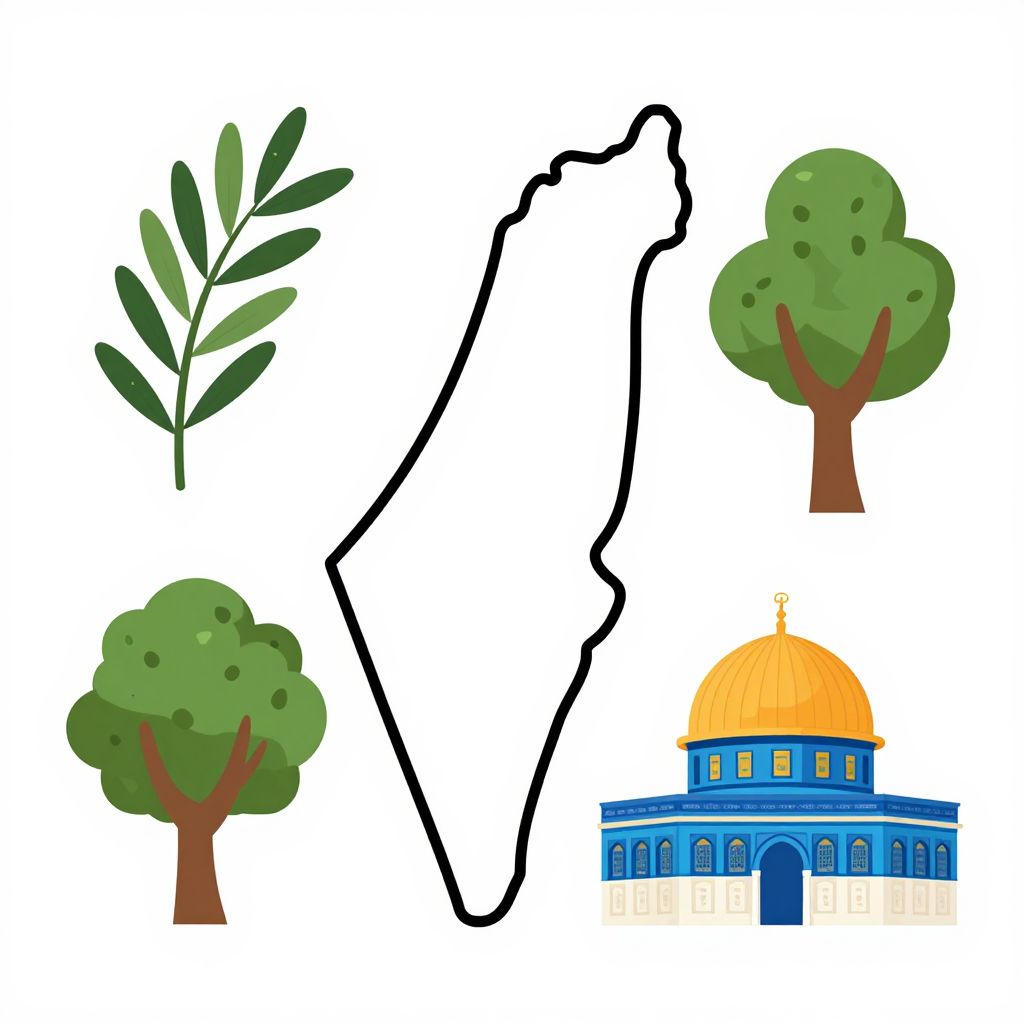
Are you curious about the connections between ancient texts and modern places? Many seek understanding of how biblical lands relate to our current world. This inquiry into whether Palestine is mentioned in the Bible sheds light on spiritual truths and the unfolding narrative of God’s people.
In this exploration, we will look at how the Bible references the region historically known as Palestine. Understanding this backdrop not only informs our knowledge of Scripture but also reveals God’s faithfulness and purpose throughout generations.
Is Palestine Mentioned In The Bible?
Yes, Palestine is referenced in the Bible, primarily through various names and descriptions of the land that encompass both the geographical area of Israel and regions surrounding it. In biblical terms, this region is often referred to as Canaan, the Promised Land, or even Judea. Understanding these names enriches our grasp of biblical history and God’s plan for His people.
The Biblical Landscape of Palestine
The Old Testament frequently describes the land using names that reflect both its geography and its significance in God’s covenant with Israel. Canaan is one such name, appearing in Genesis 12:5, where God calls Abram to the land He would give to his descendants.
Throughout the stories in the Bible, this land is portrayed as a place flowing with milk and honey (Exodus 3:8), encapsulating God’s promise of prosperity. Recognizing the traditional name of Canaan connects modern readers to the original context in which God’s covenant was established.
Understanding Canaan’s Role
Canaan represents not merely a geographical territory but also a theological concept within Scripture. When God promises Canaan to Abraham and his descendants, it symbolizes His faithfulness and the fulfillment of His promises. This theme persists throughout the narrative in Exodus and Joshua, as the Israelites journey toward their inheritance.
How does this understanding of land impact your view of God’s promises in your own life? Reflecting on biblical geography helps ground our faith in real places and real events.
The Transformation of Names Over Time
As history unfolds, so does the naming of lands and places. The term “Palestine” has its roots in the name “Philistia,” which referred to the land of the Philistines (as mentioned in many Old Testament accounts, for instance, in 1 Samuel 5:1). The Greeks and later the Romans adopted the term Palestine to describe the entire region occupied by the Israelites, Philistines, and other peoples.
Each name shift illuminates the changing political and cultural dynamics of the time. It reminds us that God’s purposes remain steadfast even as earthly kingdoms rise and fall.
The Roman Period and Palestine
In 135 A.D., the Roman Emperor Hadrian renamed Judea to “Judea Province” and combined it with surrounding areas, calling it “Palestina” to suppress Jewish identity. This renaming was an attempt to erase the significance of Jewish heritage and history in the land.
Self-identity is vital. How does knowing the history of identity shape your understanding of communities today? A scriptural perspective recognizes the deep roots of people in their land.
Palestine in the New Testament
While the term “Palestine” does not explicitly appear in the New Testament, the Gospels detail events that occur in the same land. Jesus’ ministry unfolds across cities and towns such as Jerusalem, Bethlehem, and Nazareth, all situated in what we recognize today as Palestine.
Each location is rich with significance. Jerusalem is the heart of Jewish worship, and it is where pivotal events like the Last Supper and the crucifixion took place. Knowing this context deepens our appreciation for the narrative of Jesus’ life and the message of grace He brought.
Transformative Encounters in Palestine
The Gospel stories describe many transformative encounters that happen in this land. For instance, Jesus’ interaction with the Samaritan woman at the well (John 4) showcases His radical love breaking through cultural barriers.
How might we embody this kind of love in today’s society? Reflect on specific ways to cross cultural lines and demonstrate Christ’s love.
God’s Everlasting Covenant
The significance of Palestine, especially in biblical prophecy, centers on God’s everlasting covenant with His people. Throughout Scripture, God repeatedly affirms His promise to the land and its people. Even today, this covenant shapes the faith and identity of countless believers around the world.
In Ezekiel 36:24-28, God assures Israel of their restoration to the land, reestablishing their identity as His chosen people. The hope of restoration continues to resonate through God’s redemptive narrative.
The Importance of Place in Our Faith
Understanding God’s promises regarding land encourages us to consider how He has placed us in our own community. Each of us has a specific purpose and a unique influence in our geographic locations. How does that awareness inspire our witness?
As the Bible illustrates, God’s plans encompass both personal and communal dimensions. He invites us to be active participants in the fulfillment of His mission.
Practical Applications for Spiritual Life
What does this exploration of Palestine and its biblical significance teach us today? The land’s history provides a rich context for understanding God’s character and His promises. Here are a few practical applications:
- Study the Context: Engage with Scripture by researching the historical and cultural backgrounds of the biblical lands.
- Pray for Peace: As tensions often arise in contemporary discussions about Palestine and Israel, pray for peace and reconciliation in the region.
- Embrace Your Place: Recognize your role in your community as an ambassador for Christ, restoring love and hope wherever you are.
- Learn from the Past: Reflect on how God’s faithfulness across generations shapes your understanding of His promise today.
Conclusion: Embracing the Legacy of Faith
The exploration of Palestine in the Bible unveils not only historical narratives but also the enduring legacy of faith. Each story reflects God’s unchanging nature and His commitment to His people. Recognizing the significance of places helps us appreciate the divine orchestration of events.
As you reflect on this rich biblical context, consider how God is calling you to respond to His promises in your own life. Pray for deeper wisdom and understanding as you walk in faith, confident in His plans.
Explore more faith-based topics and articles. Delve into discoveries about God’s word, such as 1 Year Bible Reading and learn about significant figures with What Did Ezra Do in the Bible. Each exploration leads to opportunities for growth and connection to God’s ongoing story.