
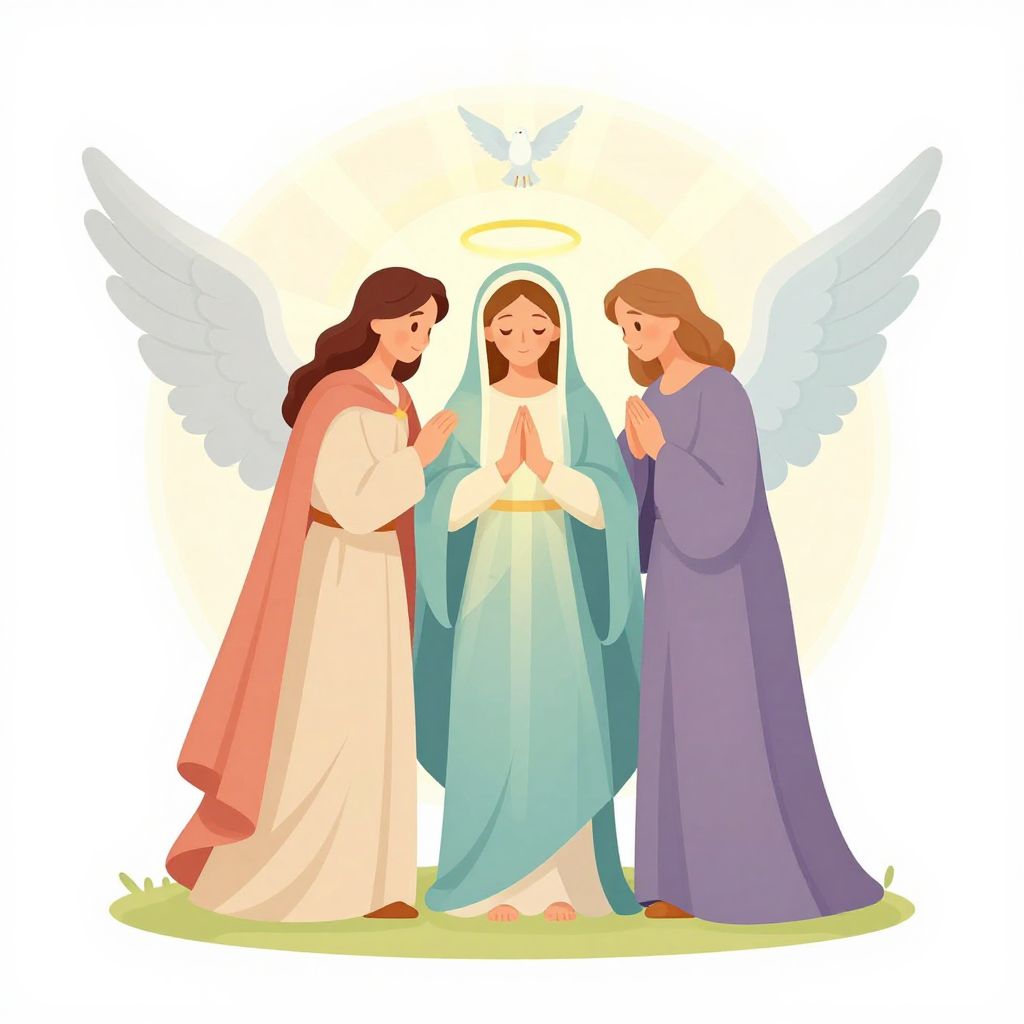
Have you ever wondered about the miraculous nature of Jesus’ conception? This pivotal moment in Christian history raises profound questions about faith, divinity, and the role of women in God’s plan. Understanding how Mary became pregnant with Jesus not only informs us about the Gospel but also reveals the heart of God’s intervention in humanity’s story.
This article will unpack the biblical account of Mary’s pregnancy with Jesus as told in the Gospels, emphasizing the divine orchestration and meaning behind this extraordinary event. Central to this discussion is the affirmation of God’s character and His promises, found throughout Scripture.
How Did Mary Get Pregnant With Jesus?
Mary became pregnant with Jesus through the miraculous intervention of the Holy Spirit, fulfilling the prophecy of the virgin birth as foretold in Isaiah 7:14. This event emphasizes God’s sovereign power and His plan for humanity’s redemption.
The Annunciation to Mary
The story begins in Luke 1:26-38. The angel Gabriel visits Mary in Nazareth and delivers a life-altering message: she will conceive a son, Jesus. Gabriel explains that this will be no ordinary birth; it will be through the Holy Spirit. This announcement highlights God’s direct involvement in the conception of Jesus.
The Virgin Birth Prophecy
The prophecy of the virgin birth appears in Isaiah 7:14, which states, “The virgin will conceive and give birth to a son, and will call him Immanuel.” This prophecy reassures God’s people of His faithfulness and reveals His plan to send a Savior. The fulfillment of this prophecy through Mary underscores God’s perfect timing.
The Role of the Holy Spirit
In Luke 1:35, Gabriel clarifies how this miraculous conception will occur: “The Holy Spirit will come upon you, and the power of the Most High will overshadow you.” This statement reflects both the mystery and the divine authority behind the conception. The Holy Spirit acts not only as a means of conception but also as a confirmation of God’s presence among His people.
Mary’s response to Gabriel is one of profound faith. She questions, “How will this be, since I am a virgin?” (Luke 1:34). Despite her initial confusion, she submits to God’s plan: “I am the Lord’s servant,” (Luke 1:38). Her willingness to embrace the unknown challenges every believer to trust in God’s purposes.
The Significance of Jesus’ Conception
Understanding how Mary became pregnant with Jesus allows us to grasp the significance of His identity. Jesus is fully God and fully man. This dual nature is crucial for our understanding of salvation and the Gospel message.
Theological Implications
The doctrine of the Incarnation teaches that Jesus is God made flesh (John 1:14). Mary’s pregnancy underscores this element. Christ’s birth from a virgin signifies that He does not share our sinful nature, as stated in Romans 5:12. This makes Him the perfect sacrifice, essential for atonement.
God’s design for humanity’s redemption is seen throughout Scripture, culminating in Jesus’ birth. Galatians 4:4-5 reads, “But when the set time had fully come, God sent his Son, born of a woman, born under the law, to redeem those under the law.” The timing of Jesus’ entry into the world showcases God’s perfect orchestration of history.
Mary’s experience illustrates the challenges of faith. She faced social stigma and personal uncertainty. Christians can find encouragement in her story. Whenever life presents unexpected challenges, like Mary, believers are called to trust God’s plan.
Understanding the cultural backdrop in which Mary lived enriches our insight into her situation and the significance of her obedience.
In first-century Judea, a woman’s valuelessness often limited her roles. Yet, God chose Mary, elevating her position in history as the mother of Jesus. This choice reveals that God honors faithfulness, regardless of societal norms.
Considering the societal standards, Mary’s pregnancy before marriage could lead to severe repercussions, including potential divorce. Matthew 1:18-19 highlights Joseph’s initial plans to divorce Mary quietly. God’s intervention to reveal the truth reassures believers of His redemptive actions in seemingly hopeless situations.
Mary’s story invites believers to reflect on their own faith journeys. Several key lessons emerge from her experience.
- Faith Over Fear: Mary’s acceptance encourages trusting God amidst uncertainties. Are there areas in your life where fear overshadows faith?
- God’s Sovereignty: The miraculous conception underscores God’s control over all circumstances. How does knowing God is sovereign comfort you today?
- Willingness to Serve: Mary exemplifies servant-heartedness. How can you serve God and others in your current context?
- Redemptive Hope: The story of Jesus’ conception and birth speaks hope into our struggles. What aspects of your life do you need to surrender to God for redemption?
The miraculous conception of Jesus provides essential insights about God’s nature and character. He is both transcendent and intimately involved in human affairs. His methods may defy logic, but they illuminate His grace and power.
Miracles evoke wonder and awe. God’s ability to intervene makes believers pause in reverence. Jesus’ conception reminds us that our limitations do not hinder His plans. What miracles have you witnessed in your own life? Recognizing these moments deepens faith.
The announcement of a Savior transformed Mary’s life and the world. As believers, encountering God’s call compels anticipation for His continued work. Are you living with expectation for how God will move in your life today?
Finally, Scripture serves a vital role in reinforcing the truths about Jesus’ conception. Frequent readings of His Word deepen understanding and strengthen faith.
Embedding God’s promises within our hearts nourishes our spiritual lives. Verses like Philippians 4:13 remind believers that, “I can do all this through him who gives me strength.” How can you incorporate God’s Word into your daily life for encouragement?
The story of Jesus’ conception is a hallmark of faith. It encourages believers to share the Gospel boldly. Matthew 28:19-20 commands us to “make disciples.” How will you take this charge to heart in your relationships?
As we reflect on how Mary became pregnant with Jesus, we witness a powerful narrative filled with God’s promises, faith, and grace. This account invites each believer to embrace their faith journey as Mary did: with openness, courage, and deep trust in God’s plan.
For those wanting to learn more about faith, consider exploring topics such as the ministry of Jesus, how to live a life of faith and service, or the power of prayer in your life. Each of these subjects can deepen your walk with the Lord and provide further insight into His incredible story of redemption.