
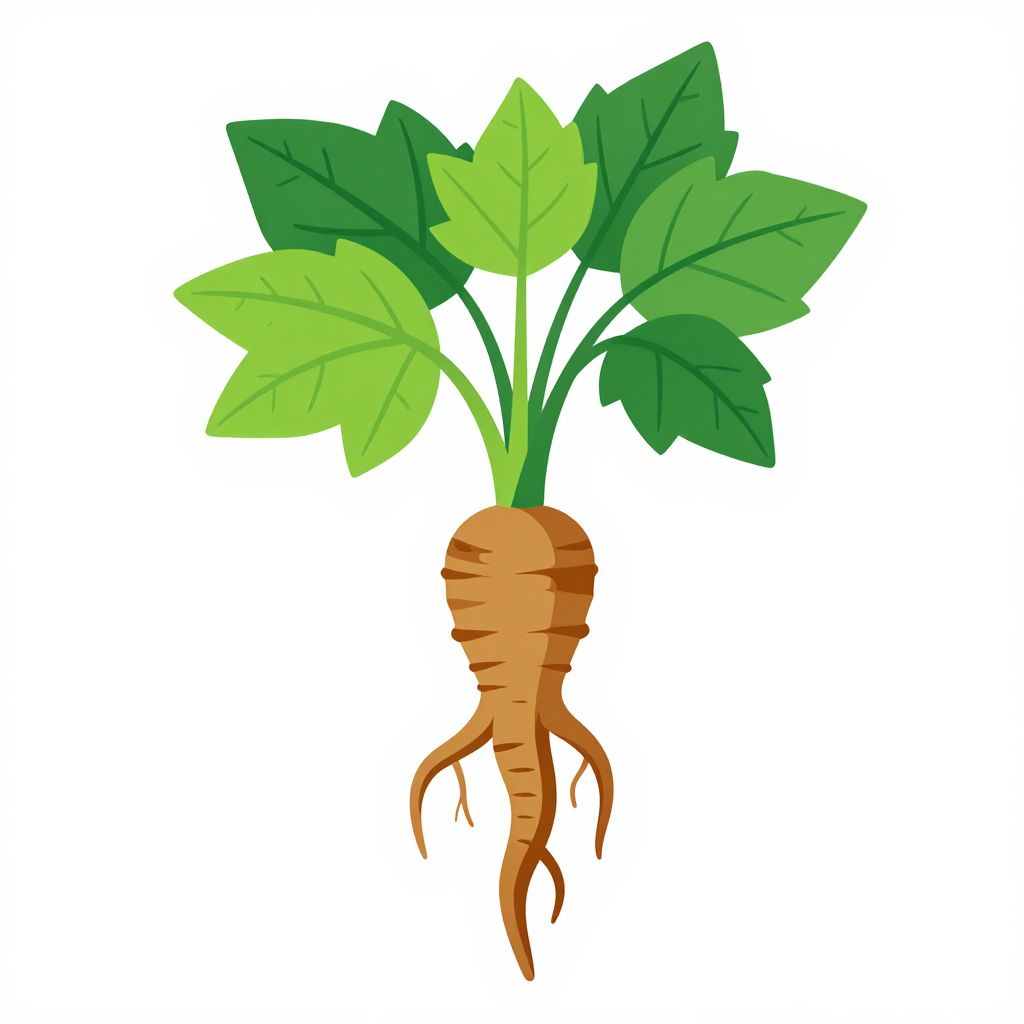
Have you ever come across a term in the Bible that made you pause and wonder about its significance? Mandrakes are one such term. They appear in Scripture, sparking questions about their symbolism and meaning. Understanding what a mandrake is and its implications matters for grasping the broader narrative of God’s Word.
This article explores what mandrakes are in the Bible, their cultural context, significance in Scripture, and what lessons we can glean from them today. Let’s journey into the heart of the matter together, focusing on how God uses even the most unusual elements to convey His truths.
What Is A Mandrake In The Bible?
A mandrake is a plant mentioned in the Bible, particularly in Genesis 30:14–16. It is often associated with fertility and is believed to have aphrodisiac properties by the people of Biblical times. In these passages, mandrakes are linked to a desire for children, shedding light on the cultural attitudes toward fertility.
Understanding the Cultural Context
The mandrake plant has deep roots in ancient Near Eastern culture. Its significance wasn’t solely biological; the fruit of the mandrake was a symbol of yearning for children. This yearning resonates with Rachel and Leah’s story, as they grapple with infertility. In this cultural context, mandrakes represented hope and aspiration.
Scientific Insights on Mandrakes
Mandrakes belong to the genus Mandragora and are known to produce berries. In folklore, the plant’s root resembles a human figure, contributing to its mystical reputation. Historically, it was thought that these roots possessed magical properties. People believed that mandrakes could influence love, desire, and fertility.
Scriptural References
Mandrakes are most prominently featured in Genesis 30:14-16. Here, Reuben, the firstborn son of Leah, finds mandrakes in the field and brings them to his mother. Leah bargains with Rachel, stating, “Give me, I pray thee, of thy son’s mandrakes.” The context reveals the desperation both Leah and Rachel felt regarding childbirth.
Character Dynamics in Genesis 30
Understanding Leah and Rachel’s relationship is crucial. Leah, the elder sister, is not loved by Jacob, while Rachel, the beloved, struggles with barrenness. The mandrakes become a symbol of competition and desperation, reflecting the broader themes of human struggle and desire for God’s blessing.
Theological Implications of Mandrakes
The involvement of mandrakes brings forth several theological implications. It highlights human attempts to manipulate or control circumstances to receive God’s blessings. Here, we see a potent mixture of faith and desperation.
The Pursuit of Children
Throughout Scripture, children are viewed as blessings from the Lord (Psalm 127:3). Children symbolize legacy, continuation, and divine favor. The longing Leah and Rachel express represents the innate desire for God’s blessings in their lives. Have you ever grappled with feelings of inadequacy or longing for something you believe is a blessing from God? This narrative resonates with many seeking fulfillment.
Lessons from Leah and Rachel’s Story
One of the primary lessons from Leah and Rachel’s story is **the danger of comparison**. Rachel’s jealousy of Leah leads to strife and manipulation. The quest for mandrakes becomes a pursuit of validation. In our own lives, we often compare ourselves to others, seeking approval and affirmation. How does comparison affect your spiritual journey? Reflect on how God’s blessings come in unique ways for each of us.
The Role of Prayer and Trust
Amid confusion and desperation, prayer and faith emerge as practical pathways. Amid their rivalry, Leah, Rachel, and Jacob must confront their insecurity before God. Prayer, trust, and humility invoke God’s favor. How do you turn your anxieties and desires over to God? Reflecting on this can deepen your relationship with Him.
The Transformation of Desire
The pursuit of the mandrake represents not a mere desire for children but the yearning for recognition and love. When desires are placed before God, they transform. God makes our longings align with His plans. Trusting God means surrendering our most pressing wants. What desires do you need to place before God today? Seek to acknowledge them before Him.
Mandrakes and Fertility in the Ancient World
In the ancient world, fertility rituals and plant symbolism held significant value. Mandrakes encompassed deeper meanings linked to fertility myths. For peoples of that time, fertility was essential for survival, lineage, and identity.
Myths and Beliefs Surrounding Mandrakes
Mandrakes were often linked with fertility due to their aphrodisiac qualities. People crafted stories surrounding their effectiveness in love and conception. The cultural narrative fostered a belief in the supernatural abilities of plants, causing many to resort to such symbols in hopes of enchantment. What modern-day beliefs or rituals do you see influencing perspectives on fertility or identity?
Theological Reflection on Fertility
Fertility remains significant in the Biblical context. God is the ultimate giver of life. The narrative underscores that human attempts at controlling destiny fall short without divine intervention. Fertility is a profound theme revealing **God’s sovereignty** in our lives. It teaches us that God’s timeline often differs from our expectations.
Biblical Examples of Infertility
Infertility narratives abound in Scripture. Figures like Hannah (1 Samuel 1:5) and Sarah (Genesis 18:10) faced similar struggles. Each sought heart-wrenching encounters with God and ultimately received His blessing. These stories reveal **God’s faithfulness** in times of waiting. In your journey of waiting, reflect: How has God proven faithful in various seasons of your life?
The Symbolism of Mandrakes for Today
Today, the symbolism surrounding mandrakes can extend beyond fertility discussions. They represent our **deepest desires and longings**. Each of us has a set of mandrakes we clutch tightly. Understanding their significance can clarify what we truly seek. Are we pursuing God or merely the blessings His hand provides?
Mandrakes as Metaphors for Our Longing
Mandrakes can symbolize anything we pursue for fulfillment—success, relationships, or validation. These pursuits become our mandrakes. Reflecting on what you fill your life with can reveal priorities and desires.
Replacing Mandrakes with God’s Presence
Surrendering our mandrakes and idolatrous pursuits fosters intimacy with God. The search for validation can distract from God’s presence. Recognizing that He alone satisfies every longing is a foundational truth. How can you better invite God to fill the spaces your mandrakes once occupied?
Practical Steps to Address Personal Mandrakes
Here are steps to help identify and redirect your pursuit of mandrakes toward God:
- Identify Your Mandrakes: Spend time in prayer, asking God to expose any areas where you seek fulfillment outside of Him.
- Reflect on Scripture: Meditate on verses that speak about God’s provision, like Philippians 4:19, which states, “And my God will meet all your needs according to the riches of his glory in Christ Jesus.”
- Engage in Community: Talk with trusted friends or mentors about your pursuits. They can offer insights and guidance.
- Surrender Your Longings: Bring your desires before God in prayer, asking Him to align them with His will.
- Seek His Presence: Prioritize quiet moments with God. Allow His presence to fill you with peace and clarity.
Conclusion: Embrace God Beyond Your Mandrakes
God’s overarching narrative in the story of mandrakes ultimately points to our relationship with Him. As we navigate longing, desperation, and desires for fulfillment, may we continually return to God’s Word, grounding ourselves in His truth.
Consider what mandrakes symbolize in your life. Reflect on God’s faithfulness in the midst of your struggles. Bring your longings to Him, allowing His peace to guide you. Look beyond earthly pursuits, entering into a deeper relationship with God through prayer and trust. How might this shift your perspective on your current needs and desires?
As you seek God, remember that He understands your heart. He desires for you to find complete satisfaction in Him. Explore more faith-based topics and articles that can encourage and support your walk with God, such as Understanding Fertility in the Bible or The Power of Prayer. Allow His Word to transform your heart and renew your mind.