
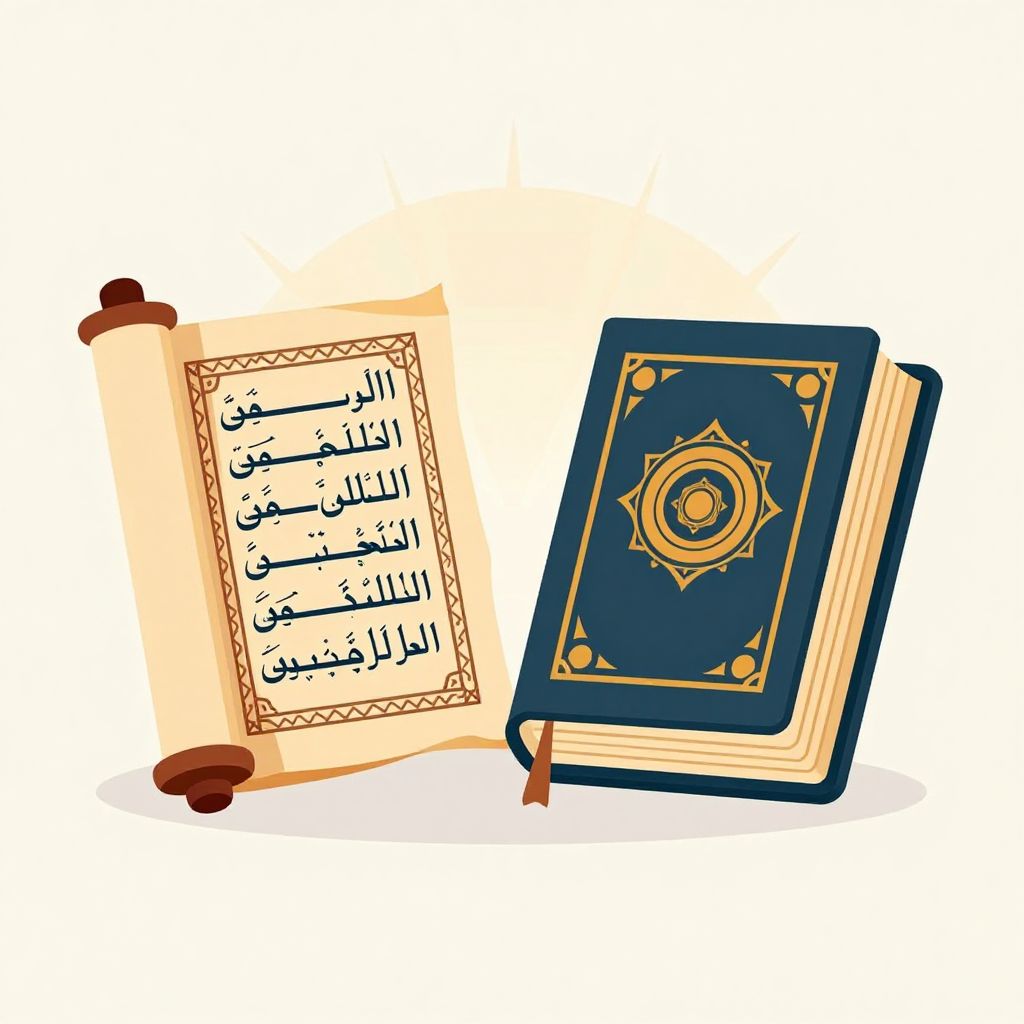
The search for truth often involves understanding the origins of sacred texts and the divine communication found within them. Many individuals wonder whether the Quran predates the Bible, as this question touches on the foundations of faith and historical understanding. Knowing the timeline of these texts can clarify their significance and what they convey about God and His relationship with humanity.
In exploring this question, it becomes essential to examine the historical context, authorship, and divine inspiration behind both the Quran and the Bible. Using Scripture as our guide, we will uncover the truth behind the timeline of these sacred writings.
Is The Quran Older Than The Bible?
No, the Quran is not older than the Bible. The Bible was written over a period from approximately 1400 BC to AD 100, while the Quran was revealed significantly later, beginning in the 7th century AD.
Understanding the Bible’s Timeline
The Bible consists of two main sections: the Old Testament and the New Testament. The Old Testament, primarily written in Hebrew, captures God’s covenant with Israel and His promises through history.
Key points about the Old Testament include:
- Historical Timeline: The writing spans from about 1400 BC with the Torah, attributed to Moses, to around 400 BC with the last prophets.
- Canonical Books: The Old Testament comprises 39 books in the Protestant tradition, each providing insight into God’s character and His dealings with people.
- Divine Inspiration: The Apostle Paul emphasizes in 2 Timothy 3:16 that “All Scripture is God-breathed,” affirming its divine origin and authority.
The New Testament’s Contributions
The New Testament focuses on the life, death, and resurrection of Jesus Christ and the early Church.
- Writing Period: Written between AD 50 and AD 100, it includes letters, gospels, and apocalyptic literature.
- Key Figures: Apostles like Peter and Paul spread the gospel, providing teachings that shape Christian doctrine today.
- God’s Revelation: John 1:14 proclaims, “The Word became flesh,” affirming Jesus’ central role in God’s plan for humanity.
The Quran’s Arrival
The Quran, regarded as the final revelation by Muslims, was revealed to the Prophet Muhammad over a span of about 23 years, from AD 610 to AD 632.
- Historical Context: The Quran emerged in a time of socio-political change in 7th century Arabia, addressing various issues faced by the nascent Muslim community.
- Revelation Form: Unlike the Bible, the Quran was revealed in Arabic and compiled into a single book after the Prophet’s death.
- Divine Clarity: Surah 2:2 states, “This is the Book about which there is no doubt,” expressing the Quran’s emphasis on certainty in faith.
The Comparison
Understanding the differences between the Quran and the Bible provides insight into their respective roles in spirituality.
- Chronological Differences: The Bible predates the Quran by several centuries, with foundational texts rooted in historical events and prophecies.
- Message Evolution: The Bible chronicles God’s continual revelation leading to Christ, while the Quran emphasizes the culmination of divine guidance through Muhammad.
- Literary Style: The Bible uses diverse literary forms—poetry, narrative, and epistles—while the Quran presents a unique style that blends poetry with rhythmical prose.
Why This Matters
Understanding the chronology of religious texts helps individuals grasp the depths of their faith and the character of God. Distinguishing the timeline allows believers to examine the themes of both scriptures in light of biblical truth.
Faith and Foundational Truth
Both scriptures hold significance in their teachings, guiding followers toward a relationship with God. The Bible, with Jesus as its focal point, reveals God’s love through sacrifice and redemption.
Reflect on this: Can knowing the origins of these texts deepen your understanding of God’s character? Consider how each scripture points toward divine truth.
Common Themes Shared
While differing in timeline and perspective, the Quran and the Bible share themes of morality, justice, and humanity’s need for salvation.
- The Nature of God: Both texts teach about a singular God deserving of worship.
- Ethical Living: Followers are called to righteous living, with principles guiding moral conduct.
- Afterlife Assurance: Both scriptures address life after death and the consequences of one’s choices.
Practical Application
As followers of Christ, understanding these texts equips believers to engage meaningfully with different worldviews. Here are practical steps to enhance your understanding:
- Study Scripture: Dedicate time to read both the Bible and consider other texts. This exploration builds a well-rounded foundation of faith.
- Engage in Dialogue: Talk about faith with others openly. Understanding different perspectives allows for shared learning.
- Pray for Wisdom: Commit your understanding to the Lord. James 1:5 reminds believers that God generously gives wisdom to those who ask.
Emphasizing Jesus as the Fulfillment
Christianity teaches that Jesus Christ fulfills the prophecies of the Old Testament, signifying God’s promise to humanity. When studying these texts, recognize how they intertwine to reveal a unified story of redemption.
Prophetic Connections
The prophecies in the Old Testament point toward Jesus. For instance, Isaiah 53 vividly describes the suffering servant who bears the sins of many. This connection reinforces the continuity of God’s plan.
Consider this: Have you examined how Jesus’ life mirrors Old Testament expectations? Reflect on the significance of this fulfillment for your faith.
The Unifying Thread of Grace
Both the Old and New Testament highlight God’s grace toward His people. Ephesians 2:8-9 articulates this beautifully: “For by grace you have been saved through faith…” This truth resonates with both biblical and Quranic themes of God’s mercy.
Engaging with the Quran Respectfully
Approaching the Quran with respect enables believers to understand varying perspectives within the context of faith. After grasping the chronological differences, consider how to engage with this text sensitively.
Building Bridges Through Understanding
Understanding other faiths is essential for dialogue and shared respect. Engaging in conversations about Scripture encourages spiritual growth.
- Listen Actively: As you discuss faith with others, practice active listening. This builds trust and facilitates open communication.
- Seek Common Ground: Identify shared values in morality and ethics. This fosters genuine connections.
- Respond Gently: Always speak with kindness, mirroring the grace God extends toward all people.
Conclusion
Ultimately, determining whether the Quran is older than the Bible reveals the rich history underlying these sacred texts. The Bible, informed by centuries of God’s revelations, lays the groundwork of faith incorporating themes of grace, love, and divine purpose.
As believers journey through understanding these texts, let Scripture be their guiding light in truth. May it inspire meaningful connections with others, anchoring their faith and confidence in God’s love and redemptive plan.
If you are seeking more insights into faith-based topics, consider exploring articles on topics such as the importance of prayer, understanding biblical prophecy, and developing a strong faith. These resources may enrich your spiritual journey and encourage deeper engagement with Scripture.