
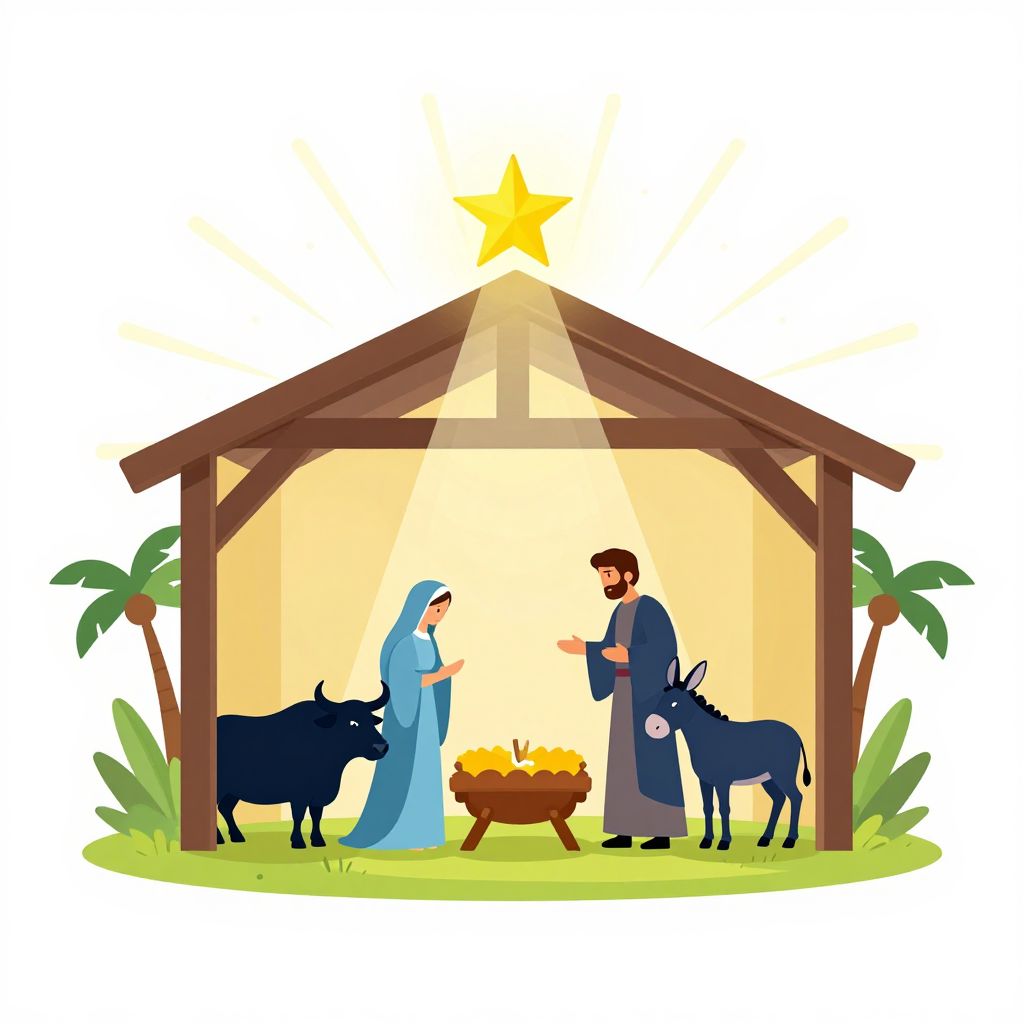
Have you ever pondered the significance of the birthplace of Jesus? The town of His birth not only holds historical weight but also deep spiritual implications for believers. Knowing where Jesus was born can deepen your understanding of the divine purpose woven through the Scriptures.
The truth of His birthplace is found in Scripture, and it unveils God’s plan for redemption. Jesus was born in Bethlehem, a town rich with prophetic significance and deeply connected to the lineage of David. Understanding this place can transform our perspective on God’s love and intent.
Where Jesus Was Born?
Jesus was born in Bethlehem, a small town located in Judea, about six miles south of Jerusalem. This fulfillment of prophecy highlights God’s careful planning in bringing His Son into the world as a humble servant of humanity.
The Prophetic Background
Scripture reveals that Jesus’ birth in Bethlehem was foretold centuries before His arrival. Micah 5:2 declares, “But you, Bethlehem Ephrathah, though you are small among the clans of Judah, out of you will come for me one who will be ruler over Israel, whose origins are from of old, from ancient times.” This prophecy sets the stage for the coming Messiah, emphasizing His Davidic lineage.
Consider the implications: God’s choice of Bethlehem as Jesus’ birthplace demonstrates His preference for the humble and small. In a world that often celebrates grandeur, God reminds us that His plans thrive in quiet, unassuming places.
The Significance of the Name Bethlehem
Bethlehem means “House of Bread.” This naming holds significant meaning in the context of Jesus, who refers to Himself as the “Bread of Life” (John 6:35). The very place where He entered the world serves as a metaphor for the spiritual sustenance He offers humanity.
Reflect on this: When Jesus identified Himself with bread, He conveyed that He came to address our deepest spiritual hunger. His humble beginnings were not a coincidence, but a part of God’s intricate design of grace.
The Town’s Historical Context
Bethlehem’s history is steeped in the stories of significant biblical characters. It was the birthplace of King David, which fulfills God’s promise to establish David’s line forever (2 Samuel 7:16). Jesus, descended from David, embodies the ultimate fulfillment of this promise.
Understanding the lineage helps us grasp Jesus’ identity as the awaited King. His royal heritage also emphasizes God’s promise to His people: He will always provide redemption.
Joseph and Mary’s Journey to Bethlehem
Luke 2:1-5 narrates the journey of Joseph and Mary to Bethlehem for a census: “In those days Caesar Augustus issued a decree that a census should be taken of the entire Roman world… So Joseph also went up from the town of Nazareth in Galilee to Judea, to Bethlehem…” This journey highlights their obedience and commitment amidst challenging circumstances.
Have you ever faced unexpected detours in your life? Joseph and Mary’s experience teaches us that God often places us on paths we don’t anticipate. Through their faith, we see how God’s plans unfold amid trials.
The Birth of Jesus
In the humble setting of a stable, Jesus is born. Luke 2:7 states, “And she gave birth to her firstborn, a son. She wrapped him in clothes and placed him in a manger, because there was no guest room available for them.” This scene serves as a poignant reminder that the King of Kings entered the world in the most lowly of circumstances.
Consider the depth of this humility. God did not choose royalty or splendor to present His Son but opted for simplicity. Jesus’ birth in a manger reveals His mission to connect with the marginalized and the broken-hearted.
Angels Announce the Good News
In the same region, the angels proclaim the birth of Christ to humble shepherds. Luke 2:10-11 shares their message: “But the angel said to them, ‘Do not be afraid. I bring you good news that will cause great joy for all the people. Today in the town of David a Savior has been born to you; he is the Messiah, the Lord.’ The shepherds, deemed the lowest in social rank, became the first recipients of this joyous news.
This announcement signifies God’s heart for all humanity. Who do you identify with? The shepherds remind us that no one is too insignificant to receive God’s love and grace. Jesus’ birth offers hope to every soul.
The Visit of the Magi
Further along in the narrative, we read of the Magi who journey from the East to honor the newborn King (Matthew 2:1-2). Their search for Jesus emphasizes that He came for all nations, not just one people group. The gifts they present—gold, frankincense, and myrrh—highlight the multifaceted nature of Jesus’ identity: King, God, and Suffering Servant.
Do you recognize Christ in all His roles? Embracing Jesus as King and Savior can transform how you live, prompting a response of worship and adoration.
The Spiritual Implications of His Birth
Jesus’ birth is not just an event; it represents a pivotal moment in our relationship with God. It opens the door for reconciliation and offers a new covenant founded on love and grace.
God’s Character Revealed
In Jesus’ birth, we witness God’s extraordinary love. Romans 5:8 declares, “But God demonstrates his own love for us in this: While we were still sinners, Christ died for us.” His willingness to come into our world as a baby highlights His dedication to identifying with human experience.
How do you respond to such love? Recognizing this profound gift can transform your interaction with God. Rather than viewing Him as distant, understand that He desires closeness with you.
The Invitation to Relationship
Through Jesus’ humble birth, God invites us into a personal relationship. John 1:12 reassures believers: “Yet to all who did receive him, to those who believed in his name, he gave the right to become children of God.” Accepting Jesus is not about adhering to a set of rules but embracing a loving Father.
What does it mean to be a child of God? This identity reshapes how we view ourselves and our place in the world, granting us a sense of belonging and purpose.
The Message of Hope and Peace
With Jesus’ arrival comes profound hope. Isaiah 9:6 proclaims, “For to us a child is born, to us a son is given, and the government will be on his shoulders. And he will be called Wonderful Counselor, Mighty God, Everlasting Father, Prince of Peace.” Jesus embodies the fulfillment of every promise, bringing peace that transcends understanding.
In a world filled with chaos, how can you anchor your hope in Christ? Reflecting on His promises allows us to navigate through life’s storms with grace and assurance.
Participating in the Story Today
Understanding where Jesus was born invites us to reflect on our own lives. Jesus’ humility, love, and sacrifice challenge us to embody these traits as we share His message with others.
Living Out Humility
The manner of Jesus’ birth teaches us the power of humility. Romans 12:3 instructs us, “For by the grace given me I say to every one of you: Do not think of yourself more highly than you ought, but rather think of yourself with sober judgment.” Emulating Christ’s humility means serving and loving others without seeking recognition.
Who can you serve today? Humbling ourselves opens doors for authentic relationships and powerful witness.
Sharing the Good News
As the shepherds did, we are called to share the good news of Jesus. Mark 16:15 commands, “He said to them, ‘Go into all the world and preach the gospel to all creation.’ Our mission parallels that of the shepherds, heralding hope to a world lost in darkness.
Who in your circle needs to hear about Jesus? Engaging those around us with love can lead to transformative conversations that bring others to Christ.
Finding Peace Amidst Struggles
Jesus’ birth as the Prince of Peace is profoundly relevant in our lives today. Philippians 4:7 reminds us that “the peace of God, which transcends all understanding, will guard your hearts and your minds in Christ Jesus.” Turning to Him brings comfort amidst uncertainty.
In what areas of your life do you need to seek Christ’s peace? Bringing these struggles before God fosters a deeper relationship and greater reliance on His strength.
Conclusion
Jesus’ birthplace in Bethlehem is not merely a historical detail; it invites us into a deeper understanding of God’s love and redemptive plan. The truths of His birth—the humility, the prophetic fulfillment, and the invitation for relationship—continue to resonate within us today.
This Christmas season, remember the implications of Jesus