
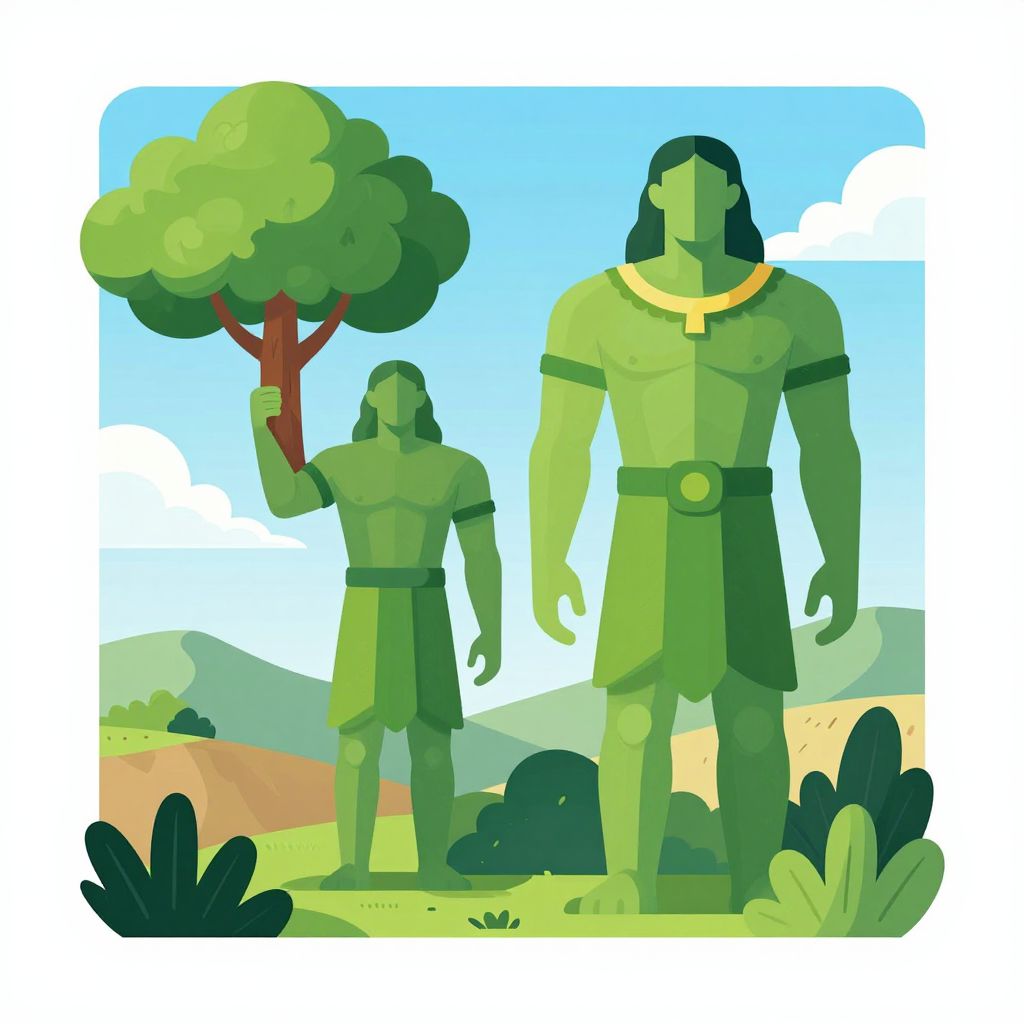
Have you ever wondered about the Nephilim mentioned in the Bible? These mysterious beings have sparked curiosity and speculation for generations. The questions surrounding their identity, nature, and, yes, their height often lead many into deep contemplation.
This article will explore how tall the Nephilim were as described in Scripture and why understanding them matters for today’s believers. Grounded deeply in biblical text, we will illuminate the character of God and offer clarity on these enigmatic figures.
How Tall Were The Nephilim In The Bible?
The Bible does not provide specific measurements for the height of the Nephilim. Instead, Genesis 6:4 tells us they were “the mighty men who were of old, men of renown.” Different interpretations suggest they were giants, which leads many to wonder if they stood significantly taller than average humans.
Understanding the Nephilim’s Nature
The Nephilim appear in Genesis 6, immediately before the Great Flood. They are often viewed as fallen ones or giants resulting from the union of the “sons of God” and the “daughters of men.” This unusual pairing has led to various theories.
Some scholars argue that the “sons of God” refers to fallen angels, while others believe it pertains to the godly lineage of Seth. The interpretation influences how one views the Nephilim; whether they are divine hybrids or simply human descendants.
What Scripture Says
Genesis 6:1-4 states, “When human beings began to multiply on the earth, and daughters were born to them, the sons of God saw that the daughters of humans were beautiful, and they married any of them they chose.” This leads to the mention of the Nephilim.
Job 22:13-14 contrasts human limitations with God’s omniscience, stating: “You say, ‘What does God know? Does he judge through such darkness? Thick clouds veil him, so he does not see us as he goes about in the heavens.’” This reminds us that God is aware of all human events, including the actions that led to the presence of the Nephilim.
The Meaning Behind “Giant”
In various Bible translations, the term “giant” appears when discussing the Nephilim. It usually arises from the Hebrew word “nephilim,” which can mean “fallen ones.” The term hints at their perhaps tragic or dysfunctional nature as beings who fell from grace.
In Numbers 13:33, when the Israelite spies report back after scouting the promised land, they say, “We seemed like grasshoppers in our own eyes, and we looked the same to them.” This gives us a sense of their imposing size, leaving a mark of fear in the hearts of God’s chosen people.
The Height of Giants in the Bible
While Scripture does not give an exact height for the Nephilim, it provides accounts of giants that can guide our understanding. Goliath, for example, is described in 1 Samuel 17:4 as standing “six cubits and a span,” which is often estimated to be around 9 feet 9 inches. This size raises the profile for what “giants” might refer to in the ancient context.
Thus, while we may not ascertain the precise height of the Nephilim, we can infer from biblical references that they were significant in stature and strength.
Why the Nephilim Matter
The story of the Nephilim carries several spiritual lessons. The alliance of “sons of God” and “daughters of men” embodies the danger of crossing spiritual boundaries. It teaches us to guard against partnerships that lead away from God’s intentions.
Moreover, the presence of the Nephilim emphasizes God’s judgment during the time of Noah. It illustrates that sin had reached such a degree that God decided to cleanse the earth through the flood. This reminds believers of the importance of living in accordance with God’s will.
Lessons from the Nephilim
Contemplating the Nephilim allows us to reflect on several key truths:
- Guard Your Associations: Healthy relationships should lead us closer to God, not away from Him.
- Surrender to God’s Judgment: Recognize that divine justice is real. God sees all, and ultimately, He will judge sin.
- Value of God’s Word: The Bible offers wisdom on how to live righteously and avoid pitfalls. Engage with it regularly.
Faith in the Face of Fear
The Nephilim may evoke fear, particularly when associated with giants. Faith often requires us to confront our fears and trust God instead. After all, the reports of the giants brought fear among the Israelites, but God’s promises remained firm.
In numbers, fear can overshadow faith. Reflect on this: How often do fears eclipse your faith? Recognizing the beauty of God’s promises can empower you to face daunting challenges.
Spiritual Warfare and the Nephilim
The Nephilim offer a unique perspective on spiritual warfare. Their existence and the chaos in the Pre-Flood world echo God’s message concerning the reality of evil. Today, believers face not physical giants but spiritual battles.
Understanding Spiritual Warfare
Spiritual warfare is real, and it manifests in various forms, such as temptation, doubt, and fear. Ephesians 6:12 tells us: “For we do not wrestle against flesh and blood, but against the rulers, against the authorities, against the cosmic powers over this present darkness.” This fundamental truth encourages us to acknowledge our true enemy.
Equipped for Battle
We often ponder how to prepare for spiritual battles. Here are concrete steps to bolster spiritual resilience:
- Prayer: Maintain an active prayer life. Speak with God. Ask for strength and clarity.
- Scripture Reading: Build knowledge of the Bible. Understanding God’s Word equips you against deception.
- Community: Join fellow believers in fellowship. Mutual encouragement strengthens resolve.
These habits build a God-centered foundation, strengthening your faith in the face of adversity.
Responding to the Nephilim’s Influence
When considering the Nephilim, think of the influence they had on society. Their existence contributed to the wickedness that led to the Flood. The repercussions remind modern believers of the importance of vigilance against influences that draw us away from God.
Reflect on your surroundings: Are there “giants” in your life that compromise your walk with Christ? Recognizing and addressing these factors can lead to growth and stronger faith.
Overcoming Fear with Faith
Fear often paralyzes believers. The Nephilim might symbolize fear, yet believers can combat it through faith. Recall God’s promises through verses like Isaiah 41:10: “So do not fear, for I am with you; do not be dismayed, for I am your God.” God assures us of His presence and sufficiency.
Reflections on God’s Sovereignty
The existence of the Nephilim ultimately points to God’s sovereignty. Despite the chaos, God still held the authority over creation. This truth underscores that no matter how daunting circumstances appear, God remains in control.
God’s Faithfulness in Judgment
Genesis 6:5-8 highlights God’s response to sin. “The LORD saw how great the wickedness of the human race had become… and he was grieved in his heart.” God takes sin seriously, yet in His judgment, He provided Noah a way to salvation.
Hope Despite Judgment
God’s grace shines through even amidst judgment. After the Flood, God promised never to destroy the earth with water again (Genesis 9:11). This promise serves as a reminder of God’s enduring mercy.
Reflect on the depth of God’s character: How does recognizing His mercy shape your understanding of life’s challenges? Acknowledging God’s mercy helps perspective shift from despair to hope.
Conclusion: Standing Strong with God
The Nephilim present remarkable lessons for believers today. While their height may remain ambiguous, their impact and the story surrounding them teach critical truths about righteousness, influence, conflict, and God’s sovereignty.
God calls believers to live in faith, resisting the spiritual giants that try to intimidate. As believers, take heart in prayer, community, and Scripture. Remain anchored in God’s truth, for it is the cornerstone of all that truly endures.
If you’ve found strength in understanding the Nephilim, take a moment to reflect on your journey with God. May your faith grow ever deeper as you navigate challenges, trusting in the One who measures heaven and earth.
Explore more faith-based topics and articles for further insights into Scripture through the