
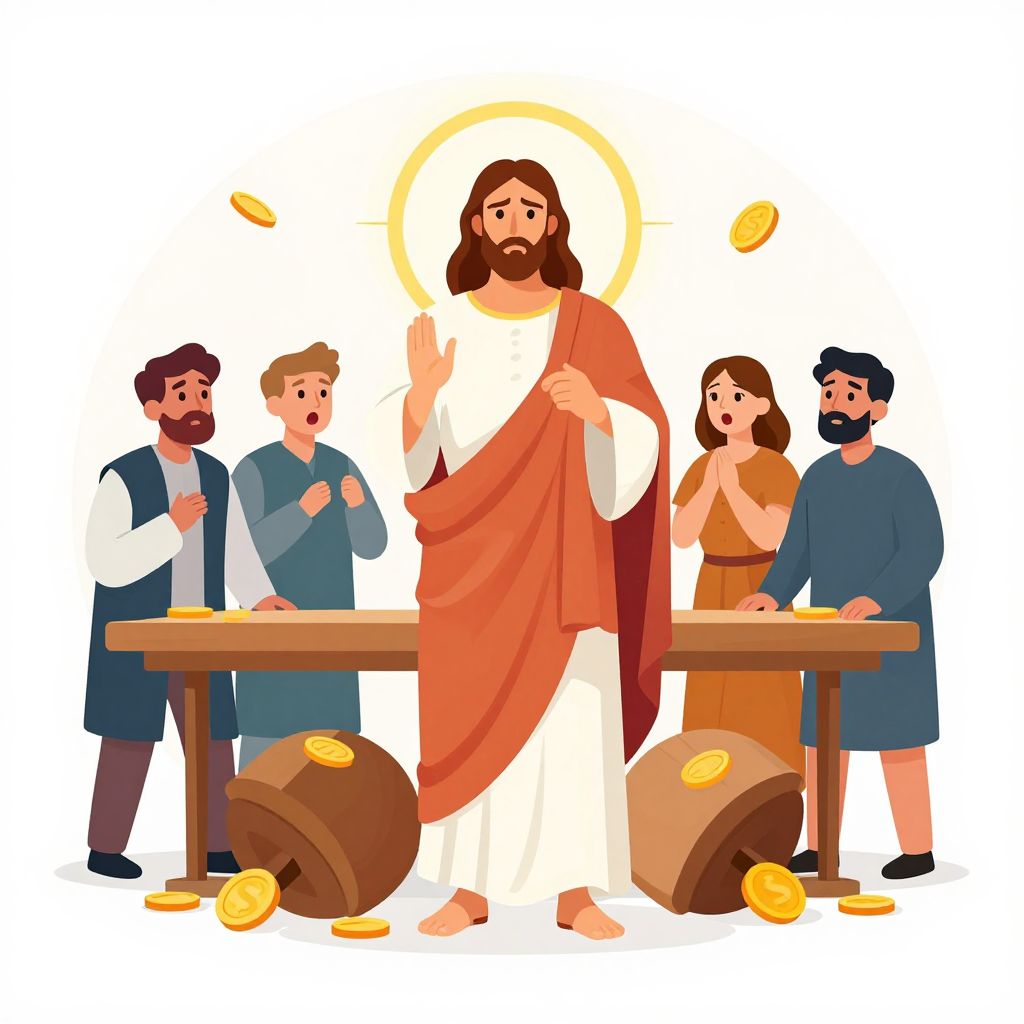
When Jesus flipped the tables in the temple, He revealed deep truths about faith, worship, and God’s zeal for holiness. Why did this act happen, and what does it mean for believers today? This question invites us to explore the heart of Jesus and how His actions inform our understanding of sacred spaces and genuine worship.
At its core, this article will unravel the powerful implications of that moment in the temple. We will examine Jesus’ motivations, the cultural context, and how it challenges our understanding of worship today.
Why Did Jesus Flip Tables In The Temple?
Jesus flipped tables in the temple because He was zealous for the purity of worship and the sanctity of God’s house. He confronted those who turned a sacred space into a marketplace, showcasing His passion for true devotion to God.
The Cultural Context of the Temple
The temple in Jerusalem was a central place of worship for the Jewish people. It served not only as a physical structure but as a symbol of God’s presence among His people. In Jesus’ time, it became a hub for sacrificial offerings and religious practices.
However, the temple was not just a place for spiritual activities. It also became a marketplace where money changers and merchants engaged in commerce. Travelers needed to exchange their currency for the temple tax and buy animals for sacrifice, which often led to exploitation.
In Matthew 21:12-13, Jesus enters the temple and sees these activities unfolding. His reaction is immediate and fierce. Jesus declares, “It is written, ‘My house will be called a house of prayer, but you are making it a den of robbers.’”
This statement reveals both the spiritual and moral decay taking place. The temple’s purpose was forsaken in favor of profit. Jesus’ actions were not merely physical but carried deeper theological implications.
Jesus’ Righteous Anger
When examining why Jesus flipped the tables, one cannot ignore His righteous anger. Anger, when unchecked, can lead to sin, but Jesus’ anger stemmed from a pure desire for holiness.
In John 2:15, we see Jesus making a whip to drive out the merchants and animals. This act was deliberate and intentional, devoid of malice but filled with prophetic outrage. Jesus was demonstrating God’s desire for holiness and true worship, reminding us that there are things to be angry about — primarily when God’s name is disreputed.
Have you ever felt a surge of anger when you witness injustice? This is a natural response, but it’s crucial to channel that anger toward constructive action, just as Jesus did.
Confronting Hypocrisy
Jesus, in flipping the tables, confronted the hypocrisy present in religious practices. Those in the temple had lost sight of what truly mattered — heart connection with God.
The merchants represented a broader attitude of superficial worship, where external activities overshadowed the heart’s intent. In Isaiah 29:13, God challenges His people: “These people come near to me with their mouth and honor me with their lips, but their hearts are far from me.”
Today’s church can face similar challenges. How can congregations fall into the trap of empty rituals? What does true worship look like in a world filled with distractions? Reflecting on these questions helps maintain a sincere relationship with God.
Jesus’ Authority
By flipping the tables, Jesus demonstrated His authority over the temple and the practices within. This act foreshadowed His authority over the very system that sought to control access to God.
In Matthew 21:23, the religious leaders questioned Jesus’ authority, but His actions made a profound statement: He is the one who has the right to cleanse and define true worship. Jesus reclaimed the temple for its intended purpose, advocating for a return to genuine faith.
What areas of your life need to be reclaimed for God? Where have you allowed distractions to creep in, hindering your worship? These reflective questions enable believers to assess their spiritual paths and seek renewal.
The Implications for Today’s Believers
Understanding why Jesus flipped the tables in the temple gives us insight into our worship practices today. It’s essential to consider how these lessons apply to our lives, churches, and communities.
A Call to Authentic Worship
Jesus desires authentic worship characterized by a heart devoted to God. In Romans 12:1, Paul writes, “Therefore, I urge you, brothers and sisters, in view of God’s mercy, to offer your bodies as a living sacrifice, holy and pleasing to God — this is your true and proper worship.”
This verse shifts the focus from ritualistic practices to a lifestyle of worship. What does it mean to be a living sacrifice? It means allowing every aspect of life — choices, actions, and words — to honor God.
Guarding Our Hearts
Like the money changers, distractions can infiltrate our lives, diverting us from God’s purpose. Regular self-examination is vital. In Psalms 139:23-24, David prays, “Search me, God, and know my heart; test me and know my anxious thoughts.”
We easily fill our hearts with busyness and worldly priorities. What steps can be taken to guard your heart and prioritize worship? Take intentional breaks to immerse yourself in Scripture and prayer.
The Importance of Community
Jesus’ cleansing of the temple occurred in a communal setting, emphasizing the importance of community in worship. Believers are called to gather, encourage, and uplift one another in faith.
In Hebrews 10:24-25, Paul encourages, “And let us consider how we may spur one another on toward love and good deeds, not giving up meeting together.”
This verse reminds us that community isn’t just about gathering; it’s about actively spurring one another toward deeper faithfulness.
Living Out Our Faith
Jesus’ actions raise the question of how His followers should live out their faith. The call to be like Christ involves standing against injustice, prioritizing love, and ensuring our actions align with our beliefs.
In Matthew 5:16, Jesus instructs, “Let your light shine before others, that they may see your good deeds and glorify your Father in heaven.”
Every believer is called to reflect Christ’s love and truth to the world. What good deeds can you shine out in your community today? Consider looking for opportunities to serve or engage in conversations about faith.
Reflecting on Our Spiritual Spaces
The temple was a physical representation of God’s presence. Today, how do we create sacred spaces in our lives and communities? This question is particularly pertinent in a society filled with distractions.
Creating Sacred Spaces
To cultivate a relationship with God, we can create an atmosphere conducive to worship. Whether through designated prayer rooms, intentional times of devotion, or simply seeking quiet moments, these actions allow for deeper connection.
Consider your home: How can it reflect your spiritual priorities? What practices can you include to invite God’s presence? Creating sacred spaces requires intentionality.
Fostering Community Worship
Community worship is a vital component of the Christian life. Gathering with fellow believers encourages growth and fosters unity in the body of Christ. In Acts 2:42, it mentions the early believers devoting themselves to teaching, fellowship, breaking of bread, and prayer.
How can you engage with your church community? Whether through small groups, ministry involvement, or simply encouraging others, communal worship reflects the heart of Christ.
Conclusion
Jesus flipping the tables in the temple serves as a powerful reminder of our need for authentic worship and holistic faith. It’s a challenge to ensure our hearts align with our actions, prioritizing what truly matters — connection with God.
Engage in self-reflection. What practices can you revisit or reconsider? Take time to pray and ask God for clear direction in creating sacred spaces in your life. Let your actions reflect His glory and truth, just as Jesus expressed during His time on earth.
Explore more faith-based topics and articles to deepen your understanding, like creating sacred spaces in your life or the importance of community worship. Each step forward in faith contributes to a deeper relationship with God and fuller participation in the life He calls you to live.