
Have you ever wondered about the significance of the objects and rituals mentioned in Scripture? The Bible details many instructions and items that may seem puzzling at first glance. Understanding these can deepen spiritual insight and enhance our worship experience.
One such object is the censer, which carries profound meaning and application for our faith today. Let’s explore what a censer is in the Bible, how it was used, and why it matters for our Christian life.
What Is A Censer In The Bible?
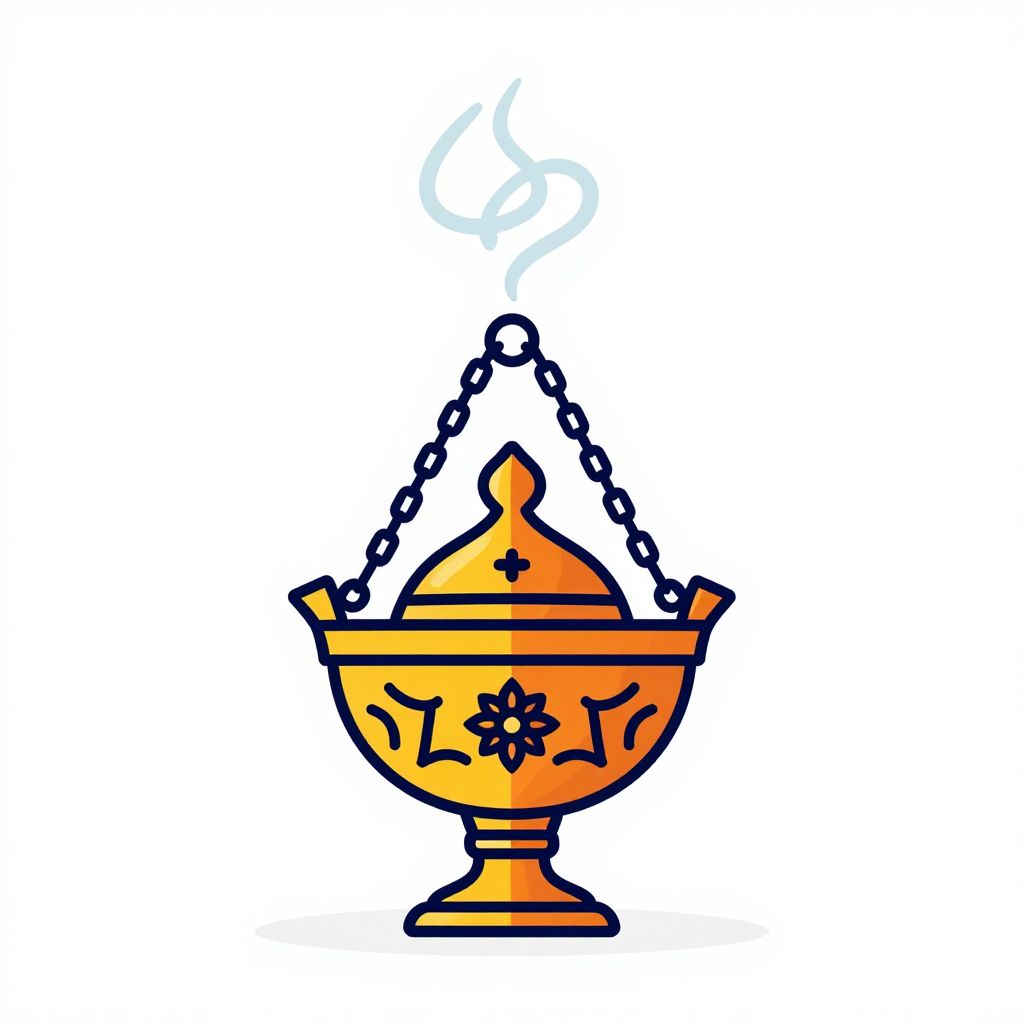
A censer is a vessel used to hold burning incense, particularly in the context of worship in the temple. It symbolizes prayer, worship, and the pleasing aroma of devotion rising to God. In various biblical passages, the censer plays a critical role in the rituals of worship that connect believers with God.
The Biblical Context of the Censer
The use of a censer is rooted in the instructions given to Moses in the Old Testament. God provided specific guidelines for worship practices, underscoring the sacredness of approach to Him. References to the censer appear primarily in the books of Exodus, Leviticus, and Numbers, highlighting its importance during temple services.
Exodus 30:1-10: The Instruction for the Altar of Incense
Exodus 30 outlines God’s directive regarding the altar of incense, where the censer became an essential tool during worship. “Make an altar of acacia wood for burning incense. It must be square—two cubits long and two cubits wide. It shall be a cubit high” (Exodus 30:1-2, NIV). The censer would hold the incense that was to be offered on this altar.
Symbolism of the Censer
The censer holds deep symbolic value. Incense represents the prayers of God’s people. In Revelation 5:8, John writes, “Each one had a harp and they were holding golden bowls full of incense, which are the prayers of God’s people.” Here, the censer transcends a physical object, becoming a metaphor for the faithful communication between God and humanity.
Prayers Rising Like Incense
When we think of the censer, we should think about how our prayers ascend to God. Just as the aroma of incense permeates the space, so our prayers reach God’s ears, bringing our needs and praises before Him. How often do you rely on the truth that your prayers are cherished and heard by God?
The High Priest and the Censer
The high priest held a unique responsibility involving the censer. On the Day of Atonement, he took the censer into the Most Holy Place, as outlined in Leviticus 16:12-13: “He is to take a censer full of burning coals from the altar before the Lord and two handfuls of fragrant incense, and take them behind the curtain.” This act of bringing incense symbolizes atonement and reconciliation with God.
Revelation 8:3-4: A Heavenly Perspective
In Revelation, we find another layer to the understanding of the censer. “Another angel, who had a golden censer, came and stood at the altar. He was given much incense to offer, with the prayers of all God’s people, on the golden altar in front of the throne” (Revelation 8:3, NIV). This image reinforces the connection between prayer and worship, emphasizing the importance of prayer in the heavenly realm.
The Practical Significance of the Censer
Understanding the historical and spiritual context of the censer prompts us to consider how it impacts our lives as modern believers. What does the censer teach us about our relationship with God and our approach to Him in prayer?
Prayer As Worship
The use of incense as a symbol of prayer shows that prayer is not merely a routine task but an act of worship. When we pray, we engage in communication with God. Are you viewing your prayer time as sacred and significant?
Preparation and Holiness
Just as the high priest prepared himself before entering the presence of God, we, too, should prepare our hearts in prayer. Psalm 24:3-4 asks, “Who may ascend the mountain of the Lord? Who may stand in his holy place? The one who has clean hands and a pure heart.” How can you prepare yourself for prayer today?
A Reminder of God’s Presence
The censer symbolizes God’s approachability. Through Christ, believers have access to God’s presence. Hebrews 10:19 encourages us, “Therefore, brothers and sisters, since we have confidence to enter the Most Holy Place by the blood of Jesus.” The censer serves as a tangible representation of this truth.
Examples of Censers in the Bible
Beyond the general understanding of the censer, specific instances illustrate its use and significance. These stories provide further context for its importance in biblical worship.
Korah’s Rebellion: A Cautionary Tale
In Numbers 16, Korah and others challenge Moses and Aaron’s leadership, presuming to offer incense. God’s swift judgment follows, teaching that not everyone may approach Him in worship without His specific invitation. This episode reminds believers to honor God’s ordained ways of worship.
The Church’s Use of Incense Today
Many Christian traditions still utilize incense during worship. Incense serves as a symbolic reminder that prayers rise to heaven. Regardless of varying practices, the heart’s intention behind the use of incense should always lead to glorifying God.
How Can We Embrace the Lessons of the Censer?
As we reflect on the significance of the censer, consider practical ways to incorporate these biblical truths into daily life and worship.
Prayer Practices
- Set aside intentional times for prayer, treating them as sacred moments.
- Use Scripture to guide your prayers. Incorporate verses like Psalm 141:2: “May my prayer be set before you like incense.”
In Worship Gatherings
- Participate actively in corporate prayer. Engage earnestly with the understanding that your prayers are part of a larger offering.
- Consider including symbolic acts, such as lighting candles, during prayer to represent the presence of God.
Reflective Practices
- Take a moment each day to meditate on the notion that your prayers rise to God like incense.
- Journal about how you see God answering your prayers; recognize His faithfulness in your life.
Conclusion: The Aroma of Faith
The censer serves as a rich symbol of our relationship with God—one that highlights the importance of prayer and worship. It calls us to abide in His presence with the assurance that He hears us.
As you deepen your understanding of the censer, let it remind you that your prayers are a fragrant offering unto God, an invitation to connect with His heart. Pray intentionally, approach God with reverence, and recognize the aroma of your faith rising to Him.
For more insights and to explore additional faith-based topics, visit 1 Year Bible Reading. If you’re curious about women like Jezebel and their impact, check out What Happened to Jezebel in the Bible.