
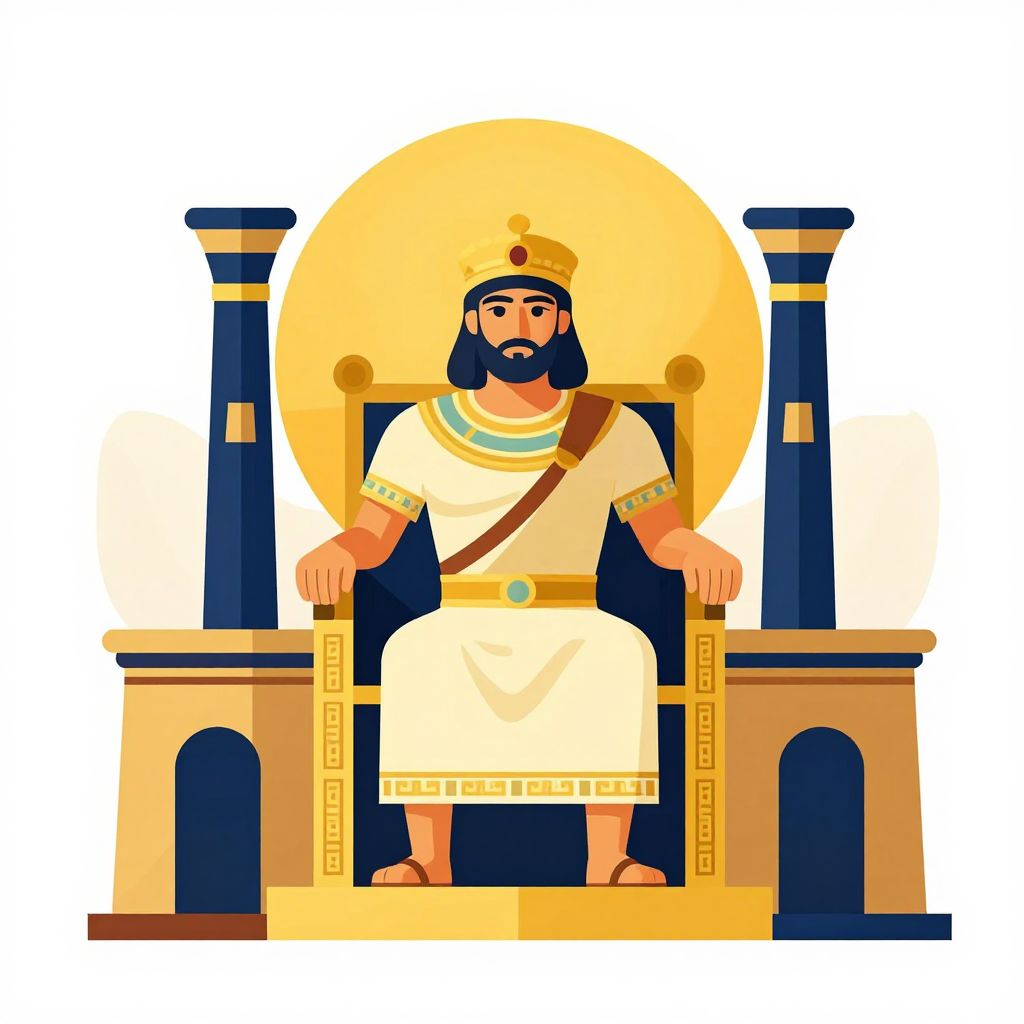
Have you ever felt like God uses unexpected people to fulfill His purposes? Cyrus, a figure in the Bible, embodies this truth remarkably. He is a king who played an important role in God’s plan for the Israelites, proving that God can raise leaders from the most unlikely backgrounds.
This article explores Cyrus’s identity in the Bible, his significance, and what we can learn from his story. Knowing who Cyrus is and what his actions meant opens up deeper understanding of God’s sovereignty and His love for His people.
Who Is Cyrus In The Bible?
Cyrus the Great is introduced in the Bible as the king of Persia, known for his decree that allowed the Israelites to return to their homeland after decades of exile. His actions facilitated the rebuilding of the Jerusalem temple, highlighting God’s faithfulness to His people.
Cyrus’s Historical Context
Cyrus ruled from 559 to 530 BC and founded the Achaemenid Empire. His policies of tolerance and respect for local customs earned him respect and loyalty from his subjects. Specifically, Cyrus’s decree in Ezra 1:1-4 to let the Jews return to Jerusalem marks a significant moment in biblical history.
Scriptural References to Cyrus
Several books in the Bible mention Cyrus:
- Isaiah 44:28: God calls Cyrus “His shepherd” who will fulfill all His purposes.
- Isaiah 45:1: God anoints Cyrus to subdue nations, illustrating divine ordination.
- Ezra 1:1-4: Cyrus issues the decree allowing the Jews to return to Jerusalem, showcasing God’s promise of restoration.
What God Does Through Cyrus
God’s use of Cyrus to fulfill His plans reveals important truths about divine sovereignty and grace. Even when it seems God is silent, He works behind the scenes.
Bringing Restoration
Cyrus’s decree led to the restoration of the Jewish people. This act demonstrates God’s faithfulness to His promises. Through Cyrus, God restored hope to a shattered people.
Ask yourself: in what areas of your life do you need restoration? Is there a situation that seems hopeless? Trusting God’s timing can lead to amazing outcomes, even when circumstances appear bleak.
God’s Sovereignty in Leadership
Cyrus’s rise to prominence exemplifies God’s control over earthly kingdoms. Scripture shows that God can appoint leaders according to His will, irrespective of their backgrounds or beliefs.
Reflect on this: does your life reflect trust in God’s plan, even regarding authorities you don’t agree with? Acknowledge that God uses all things for His purposes, and pray for wisdom in navigating these situations.
A Model of Tolerance and Respect
Cyrus is known for his policy of religious tolerance. He allowed conquered people, including the Jews, to maintain their beliefs. Such a stance encourages unity and respect among different cultures.
Consider this: how do you show respect toward those who hold different beliefs? Finding common ground can promote understanding and harmony in a diverse society.
Theological Significance of Cyrus
Cyrus’s story challenges us to consider how God interacts with the world. His actions in the biblical narrative showcase God’s larger plan of redemption.
Foreshadowing of Christ
Some theologians see Cyrus as a prototype of the Messiah. Just as Cyrus delivered the Israelites from Babylonian bondage, Jesus delivers humanity from sin. This connection enriches our understanding of God’s redemptive story.
How can this idea of deliverance impact your spiritual journey? Recognizing the parallels between Cyrus and Christ may deepen your appreciation for the grace you receive through Jesus.
Cyrus and Prophecy Fulfillment
Cyrus’s reign is a fulfillment of prophetic words spoken long before his birth. Isaiah’s writings about him, centuries prior, prove that God controls history to bring about His purposes.
Take a moment to reflect: how does knowing God fulfills His promises encourage you in your faith? Observing prophecy fulfillment deepens trust in Scripture and reinforces our hope.
Practical Lessons from Cyrus
The life of Cyrus offers timely lessons for modern believers. As we explore these lessons, consider how they apply to your daily walk with God.
Trust in God’s Timing
The Israelites waited years for liberation from exile. God’s timing can feel long, but every situation serves a purpose. Cyrus’s eventual rise and decree highlight the importance of patience.
What area of your life requires trust in God’s timing? Lean on His promises, reminding yourself that He is working all things out for good.
Embracing Unlikely Instruments
Cyrus’s background differs significantly from the chosen people of Israel. This teaches believers that God can use anyone — even those who don’t profess faith — to accomplish His will.
How can embracing this perspective lead to greater openness in your relationships? Recognizing God’s work in various people can enrich your understanding of His infinite creativity.
The Call to Lead with Integrity
Cyrus not only liberated the Israelites but also modeled leadership based on respect and dignity. As Christians, we should strive to demonstrate integrity, whether in leadership roles or daily interactions.
How can you lead by example in your areas of influence? A commitment to honor and respect others can ripple out, changing lives around you.
Conclusion
Understanding who Cyrus is in the Bible reveals much about God’s character and His ongoing work in the world. He reminds us that God’s plans transcend our expectations and definitions of success.
Cyrus’s leadership urges believers to trust God’s timing, embrace confidence in unexpected vessels, and lead with integrity. Reflect on the overarching themes of God’s sovereignty and restoration at play in the life of Cyrus.
If you wish to deepen your spiritual journey, consider a prayer of commitment to seek God’s guidance genuinely. Ask Him where He may be calling you to trust more deeply or to respect those around you.
If you desire more insights on faith and Scripture, explore other topics on our site, including Bible reading plans and learn more about key figures like Ezra by visiting What Did Ezra Do in the Bible?. These resources can strengthen your understanding and passion for God’s word.