
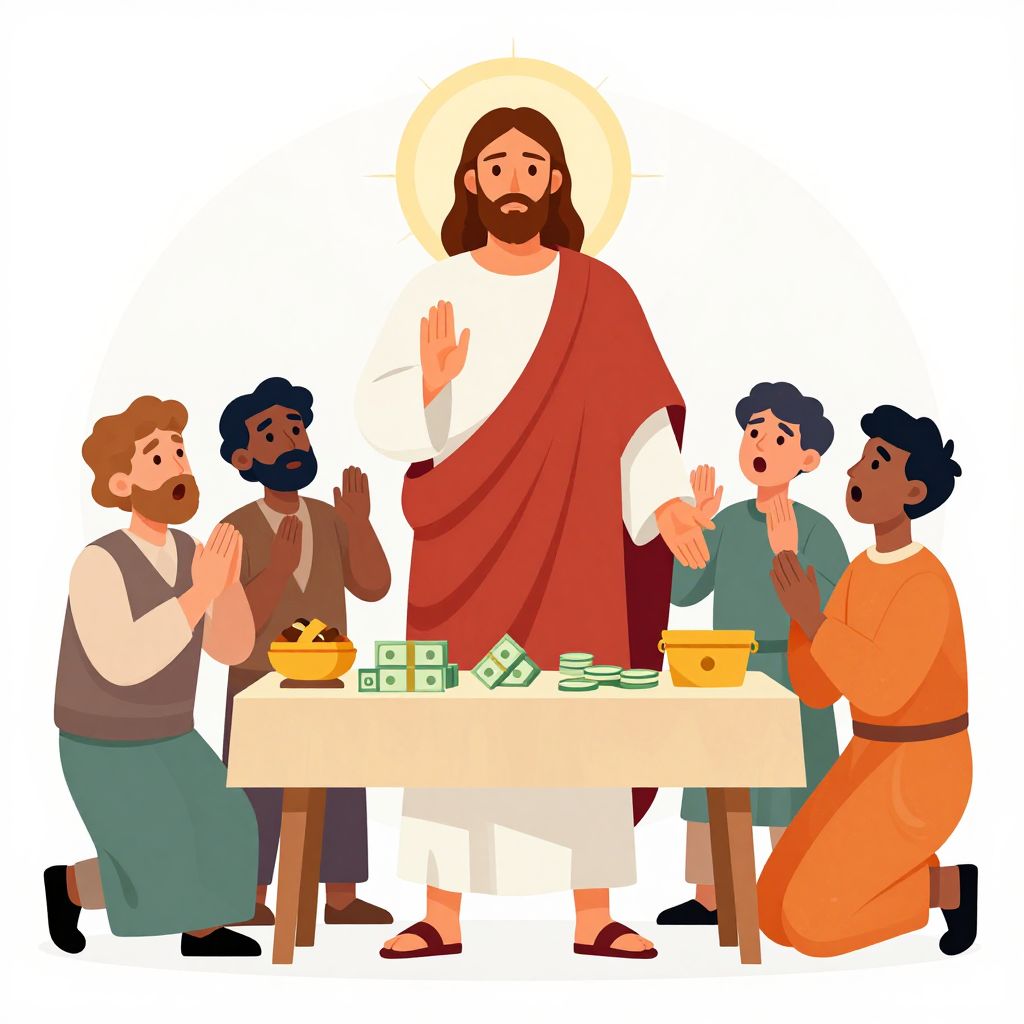
Have you ever wondered why anger and zeal sometimes bubble to the surface in our faith? Jesus, in one striking moment, demonstrated this reality when he flipped the tables in the Temple. This passionate act wasn’t just a display of frustration; it carried profound spiritual significance.
In this article, we’ll explore the reasons behind Jesus flipping the tables in the Temple and why understanding this moment matters deeply for our spiritual lives today. Anchoring ourselves in John 2:13-16, we uncover lessons about reverence, worship, and the character of Christ.
Why Did Jesus Flip The Tables In The Temple?
Jesus flipped the tables in the Temple to express His righteous anger toward the commercialization and corruption of a sacred space meant for worship. This event highlighted His commitment to pure worship and drew attention to the heart of religious practices that had strayed from their intended purpose.
Worship Should Be Sacred
The Temple was the heart of Jewish worship, a place set apart for encountering God. Jesus’ actions reminded people that this space held profound significance, as evidenced in Matthew 21:13, where he quotes Scripture: “My house will be called a house of prayer, but you are making it a den of robbers.”
Reflect on this: Does your worship space feel sacred to you? How do you treat your moments of worship and prayer?
The Money Changers and Animal Sellers
Jesus confronted the money changers and animal sellers who exploited worshippers. They charged exorbitant prices for sacrificial animals and currency exchange for Temple offerings. This practice turned sacred worship into a profit-making enterprise, undermining the very essence of faith.
What can this teach us today about integrity in our spiritual practices? Are there ways in which we exploit or commercialize our faith?
The Zeal of Christ
When Jesus flipped the tables, it wasn’t mere frustration. His zeal for the honor of His Father engulfed Him, and in John 2:17, we read, “His disciples remembered that it is written: ‘Zeal for your house will consume me.’”
This demonstrates that Jesus cared deeply about how God was worshipped. Are you consumed with a passion for God that drives you to uphold His name in your life?
Understanding the Significance of the Act
Jesus flipping the tables is not only an iconic scene but carries multiple layers of meaning. We peel back these layers to appreciate the depth of His message.
Foretelling His Passion
In flipping the tables, Jesus symbolically pointed to His coming sacrifice. The Temple, where animals were offered, foreshadowed the ultimate sacrifice on the cross. In Hebrews 10:11-12, Christ becomes the final offering, establishing a new covenant.
How does understanding Jesus as both the high priest and the ultimate sacrifice influence your relationship with Him?
Judgment on Hypocrisy
Jesus’ actions served as a judgment against religious hypocrisy. The leaders allowed the exploitation to happen right under their noses, failing to protect true worship. In Mark 7:6-7, Jesus rebukes them, saying, “Isaiah was right when he prophesied about you…”
This challenges us to examine our own hearts. In what areas do we fall into hypocrisy in our faith practices?
A Call to Purity
By clearing the Temple, Jesus calls us back to purity in worship. This means stripping away distractions and focusing on what truly matters—our relationship with God. He desires worshippers who worship “in spirit and truth” (John 4:24).
Are there distractions in your life that hinder your ability to worship fully? How can you create a space for genuine worship?
Practical Applications from the Temple Cleansing
The lessons from Jesus flipping the tables spur us toward deeper spiritual commitments. Let’s consider how we can apply these truths to our lives.
Reverence in Worship
Every time we gather for worship, we must treat the space and the practice with reverence. Each prayer, song, and sermon should reflect our awe of God.
- Set aside time before worship to prepare your heart.
- Engage in worship actively—sing, pray, and listen with intention.
Examine Our Practices
Examine where commercialization has crept into your expression of faith. Are there ways you’re treating your faith as merely transactional?
- Reflect regularly on the motivations behind your service and giving.
- Seek opportunities to serve out of love rather than obligation.
Embrace a Zeal for God
Let the zeal of Christ ignite your faith. Strive to honor God in every aspect of your life, just as He sought to honor His Father in the Temple.
- Commit to studying Scripture more deeply.
- Join a community that fuels your passion for God.
The Broader Implications of the Cleansing
Jesus’ action in the Temple encompasses broader implications that reach into Christian living and the nature of God’s Kingdom.
The Kingdom’s Inclusive Nature
The Temple cleansing signals a shift in how God relates to humanity. Now, access to God expands beyond Jewish worshippers to all believers. Jesus, in Matthew 21:14, welcomes the blind and lame into the Temple.
How can you extend Christ’s invitation to others in your community? Are there boundaries that need breaking?
Living As the Temple
Today, believers are described as the Temple of the Holy Spirit (1 Corinthians 6:19). This carries immense responsibility; we cultivate our hearts as spaces for sacred interaction with God.
What habitual practices are you cultivating in your life to honor this truth? How do you maintain the purity of your heart?
Embracing Righteous Anger
Jesus’ flipping of the tables isn’t just a historical footnote; it teaches us the place and purpose of righteous anger.
Addressing Injustice
Christ’s anger targeted injustice and exploitation. In our own lives, we can grow in our ability to confront situations that dishonor God or harm others.
- Determine when it’s appropriate to speak up about injustices.
- Engage in actions that promote equity and fairness in your community.
Your Personal Integrity
Righteous anger must always be tempered with love and grace. It inspires action for God’s glory and the good of others.
Consider how Jesus modeled this balance. Are your reactions driven by love for God and others, or are they influenced by frustration and impatience?
Conclusion: Living in Light of the Table-Flipping Jesus
The sight of Jesus flipping the tables in the Temple encourages believers to restore sacredness in our worship, honor God’s intentions, and live lives reflecting His character. Approach worship with reverence, commit to integrity, and let zeal for God permeate your life.
“);
Finally, take a moment to reflect on how your actions align with God’s sacred purposes. Ask Him to cleanse your heart, just as He cleansed the Temple.
As you explore more faith-based topics and articles, consider diving into areas such as the love of God or learn more about serving others. Together, let’s grow in our faith and understanding of His will for our lives.